
Uncategorized
What’s the Best Logo Design Agency in Chicago?




Are you looking for the best design agency in Washington? You’re definitely not alone!
With hundreds of thousands of businesses operating in the Evergreen State, every brand message you send out there matters – from social media posts and email newsletters to ad creatives and your web and mobile UI/UX.
In this guide, let’s take a look at the best options you have if you want to make a lasting impression and turn your business into a brand customers talk about long after you leave the room.
1. Penji
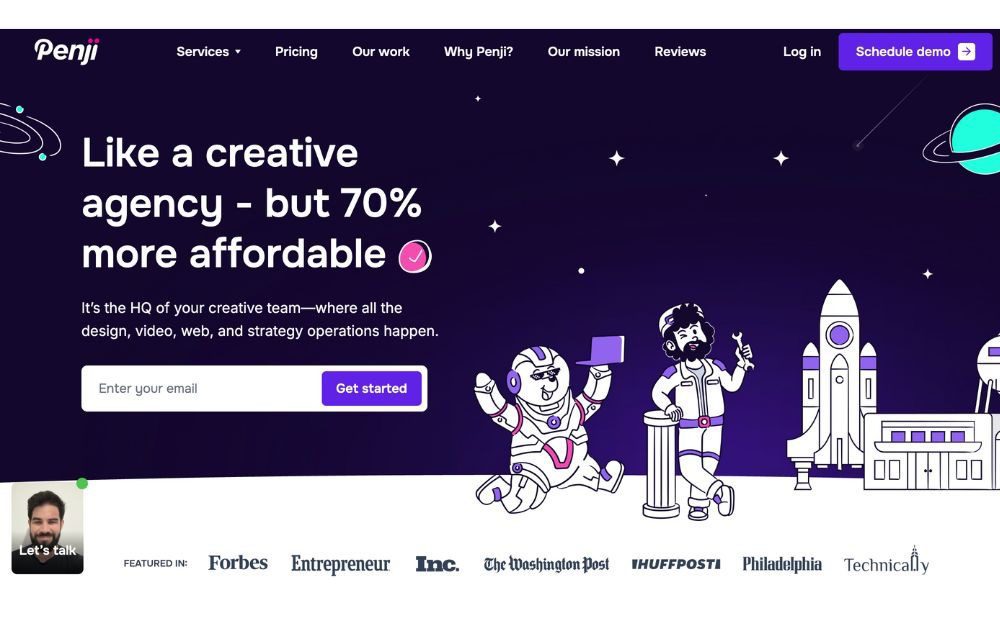
Best for: Businesses of all sizes that need high-volume graphic design at a predictable monthjly rate
First on our list is Penji, which offers on-demand graphic design at a flat monthly rate. Because it operates remotely, it’s not only the best design agency in Washington but also the top platform that can service clients wherever they are in the world.
Penji only hires the world’s top 2% of designers. That means a subscription will give you access to the top designers who are well-versed in logo statistics, the latest design trends, visual communication psychology, and more.
2. People People
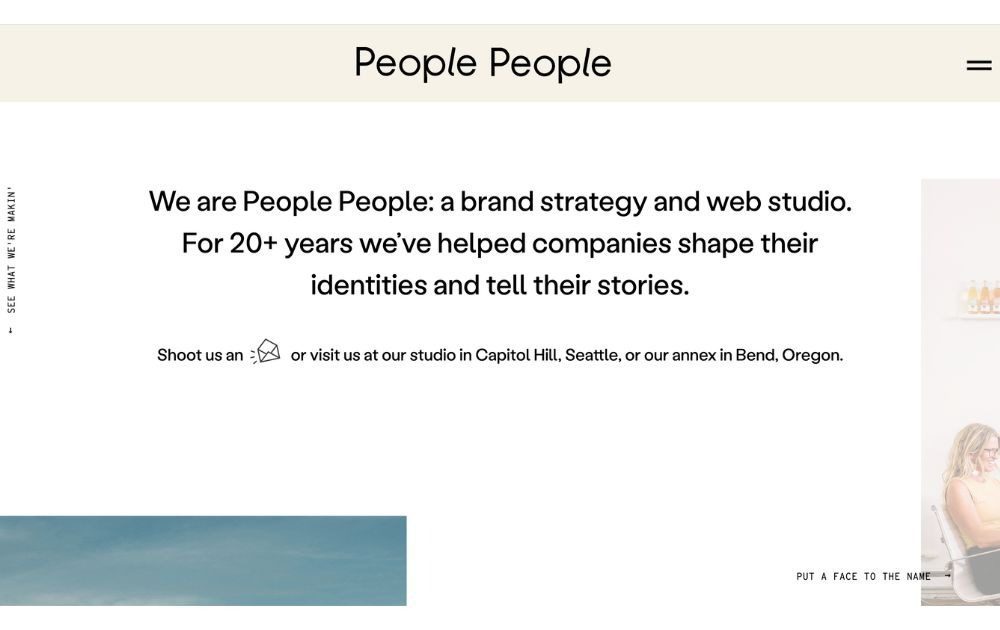
Best for: Lifestyle brands or non-profits that want boutique-style agency services
With a studio in Seattle and an annex in Bend, Oregon, People People is a favorite among lifestyle brands and non-profits. Despite operating a small studio, this agency is run by senior-level creatives. That said, it’s a good option for brands that want to make an impact.
3. Taillight
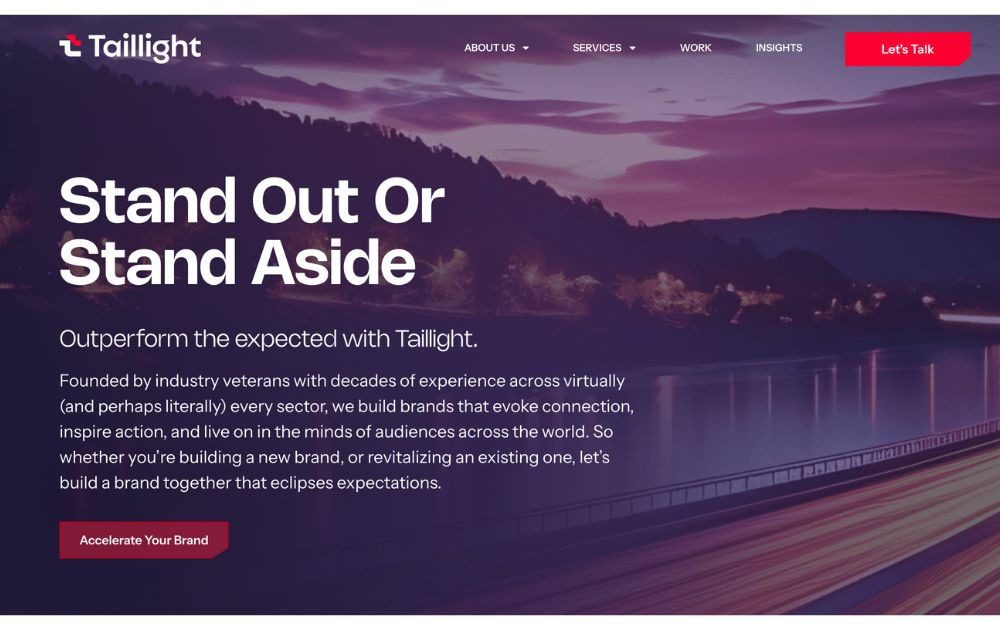
Best for: Large brands scaling up or companies undergoing major rebrands
Taillight takes pride in working with a wide range of brands. Their clients range from Fortune 500 companies to startups and businesses scaling up. They focus on strategy-first branding approach and not too much on day-to-day visual communication tasks. That said, their top-tier services are available at custom enterprise-level pricing.
4. Hero Creative
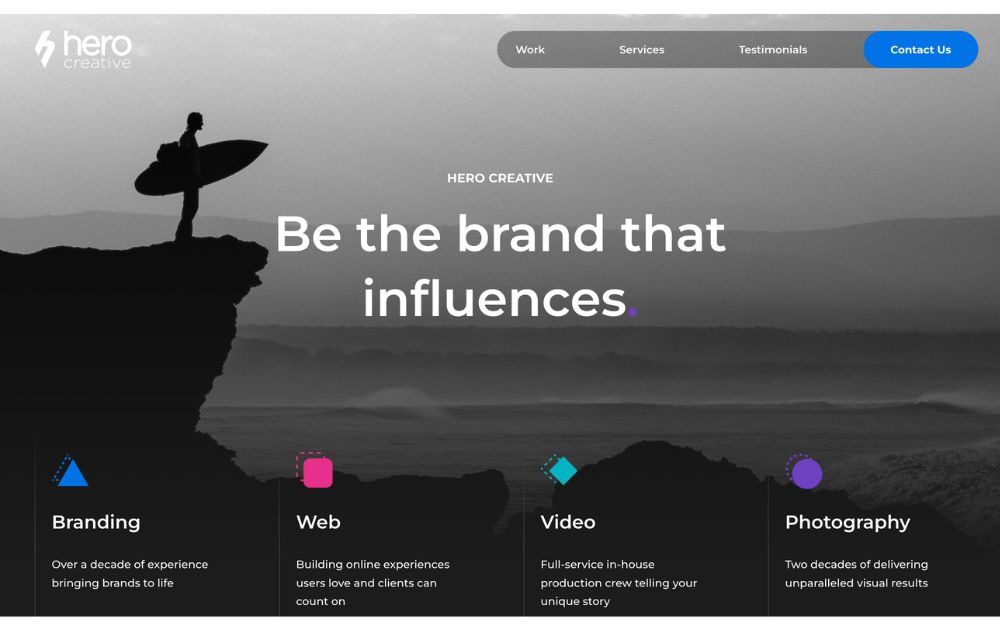
Best for: Large companies willing to pay premium rates for high-end brand storytelling
Many enterprises consider Hero Creative to be the best design agency in Washington. Offering premium agency services, from graphic design and photography to videography, Hero Creative is a one-stop shop for show-stopping brand narratives that come with a high-end price tag.
Featured Image Credit: Photo by Antoni Shkraba Studio from Pexels


TL;DR: Finding the right partner depends on your specific goals, but Penji stands out for scalable, unlimited design at a flat rate. For specialized branding in tech or food, Play Studio and Noise13 are top contenders.
Did you know that the human brain processes images 60,000 times faster than words? In an age where consumers are more distracted than ever, that’s why it is critical to ensure your brand and marketing materials look phenomenal at every opportunity for them to see it.
There are several graphic design agency and services to choose from in the San Francisco Bay Area, making it harder to pick the best graphic design agency for your business. Whether you want to explore the myriad benefits of subscribing to a Design as a service model or prefer the boutique design agency approach, here are the best options to choose from.
1. Penji
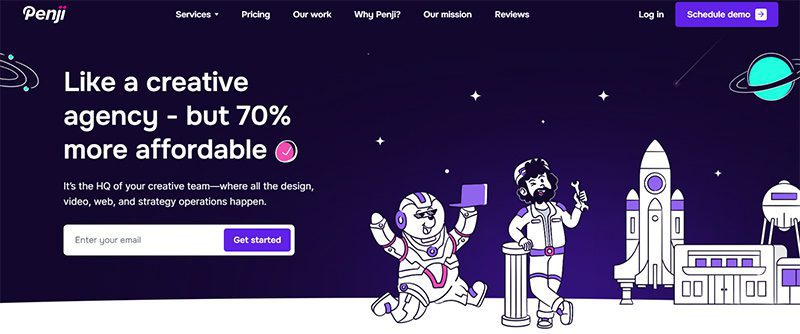
If you need speed and scalability without the high overhead of a traditional retainer, Penji is a powerhouse. They operate on a subscription model, offering unlimited graphic design for a flat monthly fee.
Features & Benefits:
- Unlimited Projects: You can submit as many requests as you want for one flat rate.
- Fast Turnaround: Most drafts are delivered within 24 to 48 hours, keeping your momentum high.
- AI-Powered Platform: Their dashboard uses AI to match you with the best designers for your specific needs, from logos to web design.
Pros & Cons:
- Pros: Extremely cost-effective (saves up to 70%), scalable, and covers 120+ design categories.
- Cons: Real-time collaboration is done via a dashboard rather than live meetings, which feels different from a traditional agency relationship.
2. Noise13
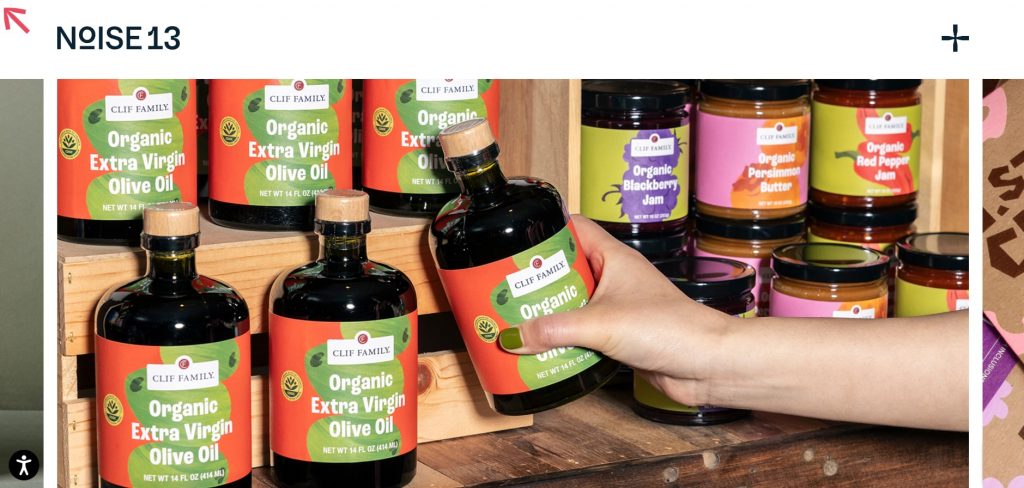
Noise13 is a branding agency that focuses on lifestyle and food brands. Some of their clients include Maku Coffee, the NewWest Summit, One Pizza, Patagonia, and others.
Features & Benefits
- Focuses on lifestyle and food brands
- Clients span food, beverage, and lifestyle sectors
- Also creates brand strategies
Pros & Cons
- Pros: Given their vast collection of industry knowledge, their design solutions focus on sustainability and B-Corp values.
- Cons: Their focus area limits them from working with companies that might benefit from their services but belong to other sectors.
3. Play Studio
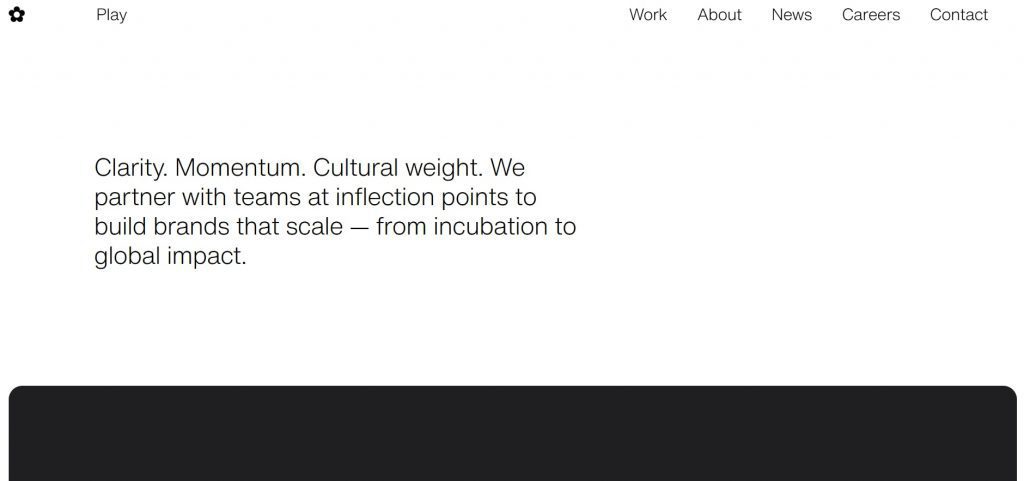
Play Studio specializes in startups that want to become unicorns. As a full-service creative branding agency, they pair with companies that are looking to grow and scale.
Features & Benefits
- Part of companies that have raised over $54.5 billion
- Provides cultural weight for innovative tech companies
Pros & Cons
- Pros: The company has an impressive portfolio of successful collaborations with startup companies that would benefit from its services.
- Cons: Working with these professionals might cost you more than working with other service providers.
4. Manmade
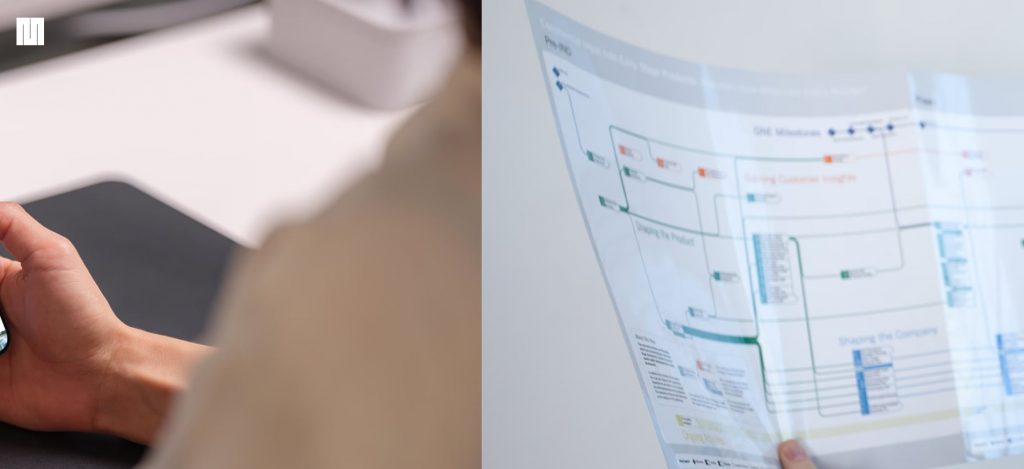
Manmade is an information design consultancy. As an agency specializing in data visualization, this company has created some of the best designs for information-heavy science-led organizations like NASA and Genentech.
Features & Benefits
- Focused on data visualization
- Creates marketing content for science-led organizations
Pros & Cons
- Pros: If your organization handles complex information and data, no other agency can match their ability to communicate heavy data in an easily digestible way.
- Cons: Their niche focus makes them ill-suited for most marketing and graphic design needs.

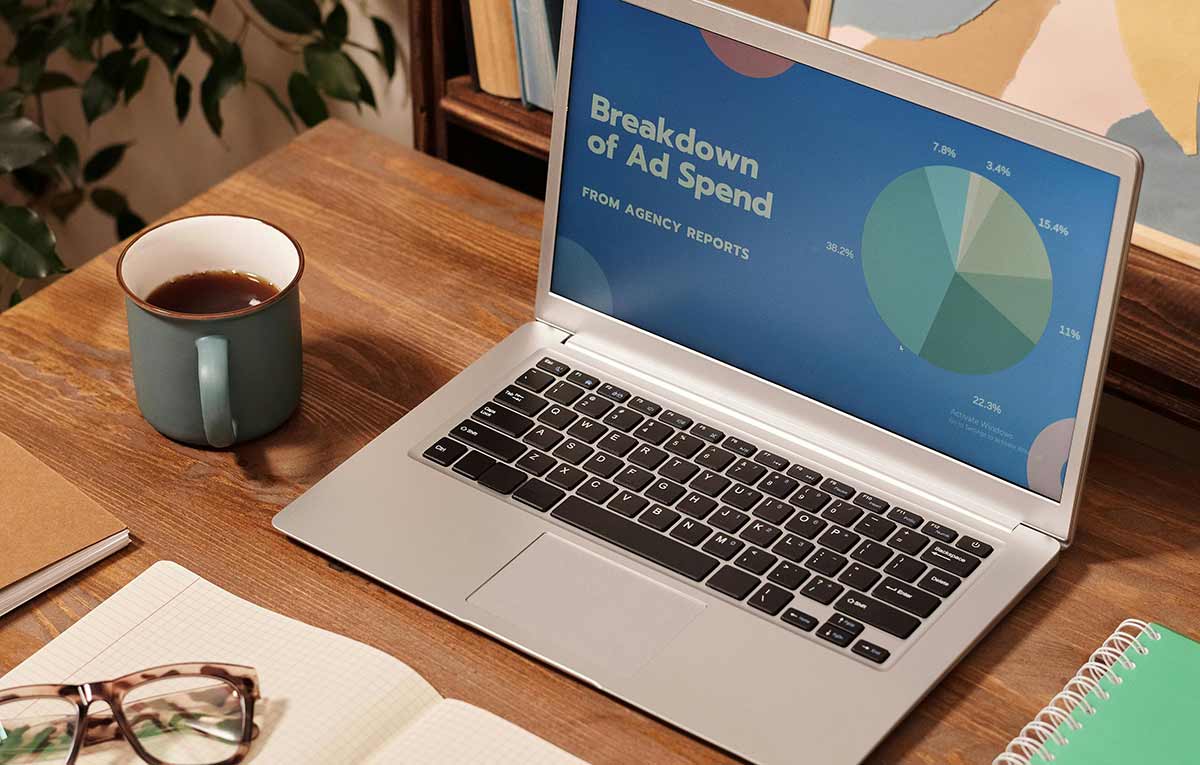
TL;DR: Many SaaS companies think that their highest hidden costs are in ad spend. With careful research, you’ll see that it is in the post-click execution stage. It happens in onboarding, UX, and lifecycle communication, and not paid acquisition.
For many SaaS companies, attracting more customers is where a huge chunk of their budget goes. With paid acquisition, budgets swell, ad platforms thrive, and the cost of a single click continues to rise. However, the numbers that really matter the most: conversion rates, product activation, and long-term customer retention, barely move.
To the seasoned entrepreneurs, this isn’t a mystery, but a signal that the bottleneck is no longer at the top of the funnel. It is in what happens after the click. If you’re over-investing in acquisition but under-investing in execution, this article’s for you.
What Does “Post-Click Execution” Mean?
Most of the time, “post click” is reduced to a conversation in the landing page. But the truth is, it’s far more consequential. Post-click execution is what determines if an initial intent turns into lasting engagement.
- Landing page-message alignment: Your ad sets expectations, and your landing page should deliver on them. A mismatch will likely cause friction even before the journey begins.
- UX cohesion on all products and onboarding processes: The experience must not feel like a handoff between disconnected teams. From sign-up through first use, the product should feel effortless, intuitive, and consistent. It should make them feel the promise that brought them there in the first place.
- Lifecycle communication: Emails, in-app nudges, and support touchpoints must reinforce the same message; otherwise, a broken message erodes confidence.
Post-click execution isn’t just about aesthetics, it’s infrastructure. Without it, the strongest acquisition strategy will fall short where it should have mattered most: turning attention into adoption.
Where the Value Quietly Leaks
For many SaaS funnels, the biggest leaks are the quiet, predictable drop-offs. Sadly, prospects sign up, may even start onboarding, but many never make it to activation, let alone retention. This has become a recurring pattern: conversion drop-offs at key stages, mismatched visuals, or outdated messaging. In addition, fragmented ownership across marketing, product, and success teams leads to lagging updates and experiences that feel stitched together rather than cohesive.
The evidence is clear: value isn’t lost in acquisition, it leaks during execution. Before introducing operational fixes, SaaS leaders must recognize that these hidden costs are systemic, not incidental.
Where SaaS Teams Fall Short

These execution gaps typically follow patterns that you can clearly see. They actually aren’t failures in talent, but rather, they are signs of organizational maturity that’s still in progress.
- Inconsistent creative execution on all channels: Landing pages, online ads, product UI, and lifecycle emails may feel disconnected. What you need is a unified creative system, without which, each channel will develop its own style. This could leave your users with a fragmented experience.
- Slow iteration cycles: When ownership is unclear or your teams are overloaded, you’ll notice lags in the updates. What you need is a steady cadence of refinement, so change can happen spontaneously.
- Quality tied to urgency, instead of system design: When deadlines near, execution typically sharpens. Unfortunately, when in low-pressure moments, standards can slip. This is a reactive pattern that leads to uneven quality, which you should be aware of.
These behaviors lead to a maturity issue and not a gap in talent. Even the best teams that have the skills can be reactive without clear systems and operational discipline. Note that your SaaS’s growth isn’t limited by creativity, but by the maturity of your execution system.
A System Example

Some SaaS companies have proven that what’s holding them back isn’t talent, but the execution process. Instead of hiring reactively or stretching their internal teams, they started systemizing their creative output. This is where Penji comes in. It is an excellent example of that systemization.
Businesses that work with Penji use its structured model to handle their creative work. They get consistent visuals that don’t hinder growth. The relevance isn’t in the service itself, but in how the model fits the pattern. These services provide a disciplined framework for execution instead of relying on urgency-driven cycles.
Thus, you need to embed a creative capacity into a system where you can lessen the variations that come from fragmented ownership and reactive workflows. Penji shows this principle precisely: you can stabilize execution when you treat it as a managed process and not a scramble for resources.
Process Maturity and Execution Discipline
Now, as your SaaS evolves, your focus should shift from mending problems to creating repeatable workflows that maintain growth. Companies in their early stages typically rely on one-off fixes, such as redesigning a landing page or improving their onboarding process. When your business matures, you need to prioritize execution discipline. Instead of asking how fast you can fix this, ask how you deliver reliably?
Often, outside systems help when your internal teams can’t keep up with the workload. Models like Penji illustrate how you can manage your creative output in a steady and consistent way. Don’t focus on the tool, set your eyes on the structured system behind it. And when your team grows, you’ll realize that strong execution comes not from quick fixes, but from solid processes to support the work.
Key Takeaway: Execution is the New Efficiency Frontier
As acquisition costs continue to rise, the real efficiency frontier has moved downstream. Growth no longer depends on how much attention your company can buy, but on how consistently it can convert that same attention into adoption and retention. To sustain your SaaS’s growth, you need to focus on execution discipline.
Ask any established brand, and they’ll tell you that they understand this shift. Thus, they don’t redesign campaigns, but they redesign systems. You need to build processes that reduce friction, align your messaging, and stabilize creative output. This develops into resilience that paid customer acquisition alone can’t provide.
The lesson is clear: the future of SaaS efficiency isn’t in the spending, but it’s in executing better.
FAQs
- Why do SaaS companies struggle with execution if they already have talent?
Skill isn’t the issue, it’s maturity. Many SaaS companies operate reactively, resulting in unclear ownership and fragmented workflows. Execution quality varies with urgency, not by being driven by a system.
- What is the impact of execution gaps on a business’s growth?
They silently stretch payback periods, reduce retention, and lower lifetime value.
- What is the role of external teams, like Penji, in all this?
They show how some teams systemize creative capacity to stabilize their output. It isn’t about the tool itself, but the principle. Execution improves when handled properly as a process.

What’s the Best Logo Design Agency in Chicago?

The Software As A Service Business Model Explained

Best Design Agency in Washington – 2026 Top Picks

Top 10 Email Marketing Software Modern Businesses Need Today

What’s the Best Design Agency in San Francisco?

5 Quiet Operational Leaks Costing Fortune 500s Millions

The Biggest Hidden Cost in Healthcare Isn’t Staff Time. It’s Operational Friction.

How to Determine Which Social Network Is Right For Your Business

How To Do Business Marketing For Free

OpenStudio – Business Management All-In-One
Top 10 Email Marketing Software Modern Businesses Need Today
The Software As A Service Business Model Explained

Top 10 Artificial Intelligence Solutions Your Business SHOULD Use

What’s the Best Design Agency in Arizona for Small Businesses?
 Business4 hours ago
Top 10 Email Marketing Software Modern Businesses Need Today
- Business2 hours ago
The Software As A Service Business Model Explained
- People4 days ago
The Biggest Hidden Cost in Healthcare Isn’t Staff Time. It’s Operational Friction.
- Business4 days ago
5 Quiet Operational Leaks Costing Fortune 500s Millions
- Uncategorized4 days ago
The Biggest Hidden SaaS Cost Isn’t Ads—It’s Post-Click Execution
- Business4 days ago
5 Things Even Fortune 500 Companies Quietly Waste Money On
- Uncategorized2 days ago
What’s the Best Design Agency in San Francisco?
- Uncategorized4 hours ago
Best Design Agency in Washington – 2026 Top Picks


