Business
Failure to Launch: Why Pixar’s Lightyear is a Box Office Dud


This summer’s movie season is now in full swing, and turnout is strong. Franchise films are facing a decline in dominance, but still hold a significant portion of the box office. In addition, original hits have proven that fresh storytelling can still break through.
Of course, challenges are there. With streaming habits, changing audience expectations, and the unpredictability of box office trends, studios are being kept on their toes. But one thing has remained constant: Pixar’s tentpole releases reliably soar past the billion-dollar mark.
Or so we thought.
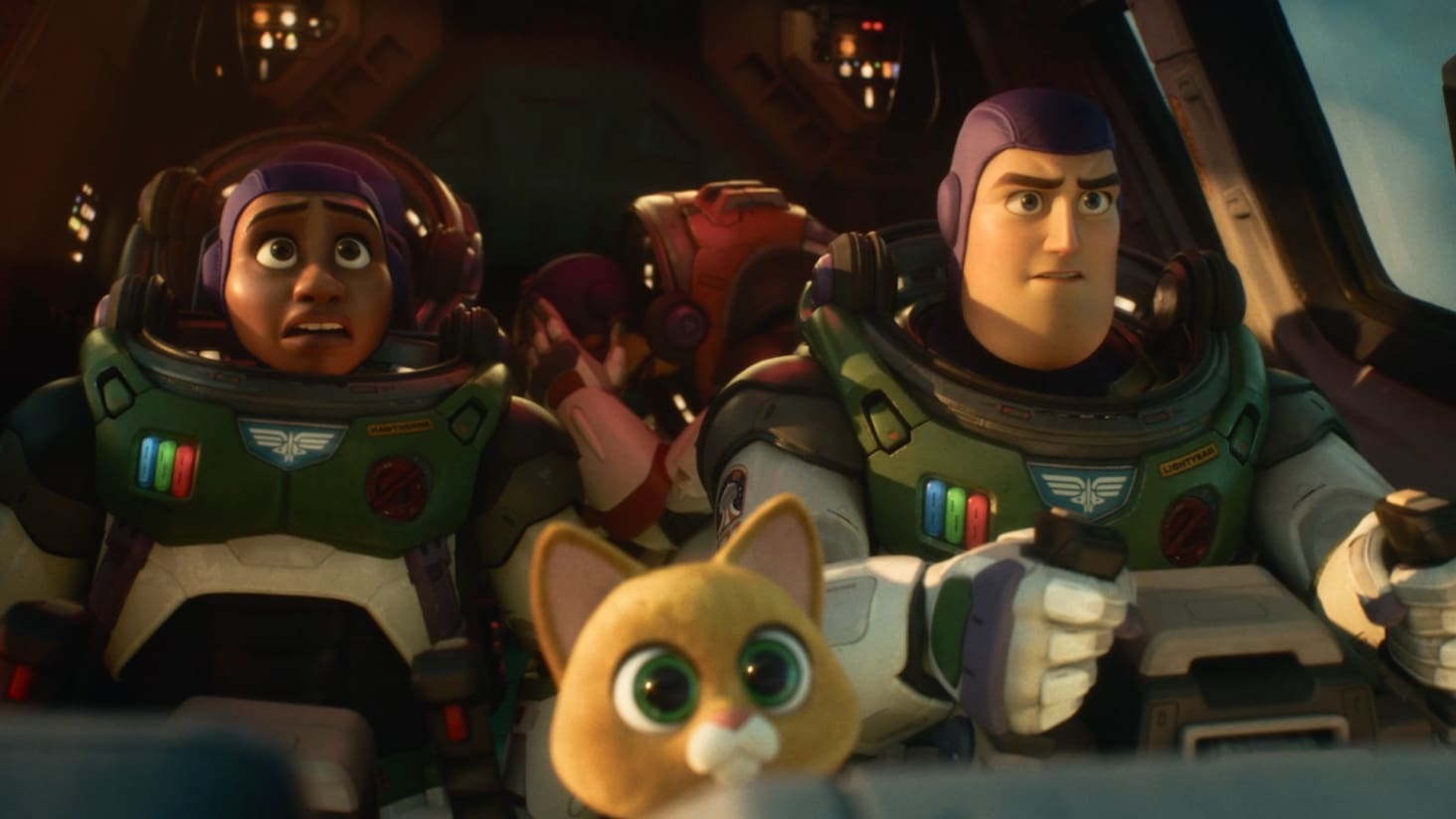
Just before the pandemic, Pixar crossed a billion with Toy Story 4, one year after crushing it with Incredibles 2. Now, after a string of Disney+ releases, they’ve taken another big swing with the Toy Story spinoff Lightyear.
Then, bullish projections had Lightyear nearing a nine-figure opening weekend and cruising to $500m from there. Instead, the family-friendly tentpole opened second, failing to surpass a plummeting Jurassic World Dominion.
Why did Lightyear flop?
You probably seen the headline: Lightyear bombs. Disappointing on its face, but the ramifications go far beyond the potential for a Woody’s Roundup spinoff film.
The past couple Pixar films (Soul, Luca, Turning Red) released exclusively on Disney+. Many maligned the shafting of these exciting animated films. It’s especially upsetting for Turning Red, which could’ve easily been one of 2022’s runaway box office hits.
Lightyear is the test. A new direction for Pixar’s biggest franchise. The most means-tested Pixar film gets the theatrical boost, and if it does well, the other movies follow. For this reason, it is a big deal that Lightyear flopped. So, what happened?

If you frequent Facebook, you’ve no doubt seen the “get woke go broke” narrative. A gay kiss, which was removed from the film and added back after Disney’s March “Don’t Say Gay” controversy, has gotten the film banned in several countries. Domestic concern trolls like Ben Shapiro, enamored by Saudi Arabia’s officially-sanctioned bigotry, ratcheted up scare pieces on the film in the past week.
In today’s new heights of parental hysteria, it wouldn’t surprise me if a few thousand families stayed home due to right-wing fearmongering. Still, history doesn’t really support the notion that this would have a substantial impact on box office. Multiverse of Madness made big bank with equally-major LGBTQ+ characters. If anything, it could be said that these films’ lack of a Chinese release upsets their box office returns, but that doesn’t explain a poor opening weekend.

Still others have pointed to the shafting of Tim Allen, replaced in the role of Buzz by Chris Evans. Allen’s performance in the Toy Story movies is iconic and truly fantastic. Still, I question the notion that $30 million went missing from beleaguered Tim Allen fans.
The other explanation? Marketing. Lightyear got off on the wrong foot with an unclear premise. Evans’ ill-fated explanation tweet only made matters worse. Is this about a real Buzz Lightyear in the Toy Story universe?
One could argue that even today, Disney hasn’t totally gotten their story straight. The movie itself explains that this is the movie that the Buzz Lightyear toy comes from. An ‘80s sci-fi movie that Andy saw. In theaters. In 1995. That’s styled like a 2022 blockbuster. You can see how people got lost.
On the other hand, we might just be asking the wrong question.
Did Lightyear flop?

Of course, it’s too early to say definitively if Lightyear is a flop. That’s not what I’m arguing here.
We’re dealing with a case of Hollywood math, the same system by which Suicide Squad’s $750m profit is considered a dismal failure. Disney had the wrong idea about this movie as soon as they pushed it for a tentpole opening.
Lightyear’s $50m opening puts it in league with Coco and Cars 3, solidly ahead of true Pixar flops like The Good Dinosaur and Onward. It’s the highest opening for an animated film since Frozen II. With a COVID handicap still in play, that’s impressive.
Pixar’s mistake was to angle for a major franchise opening. They applied a post-pandemic framework to the nine-figure openings of Toy Story 4 and Finding Dory. They thought, reasonably enough, that parents would pay big money to turn out for a new, fresh installment in the beloved Toy Story franchise.
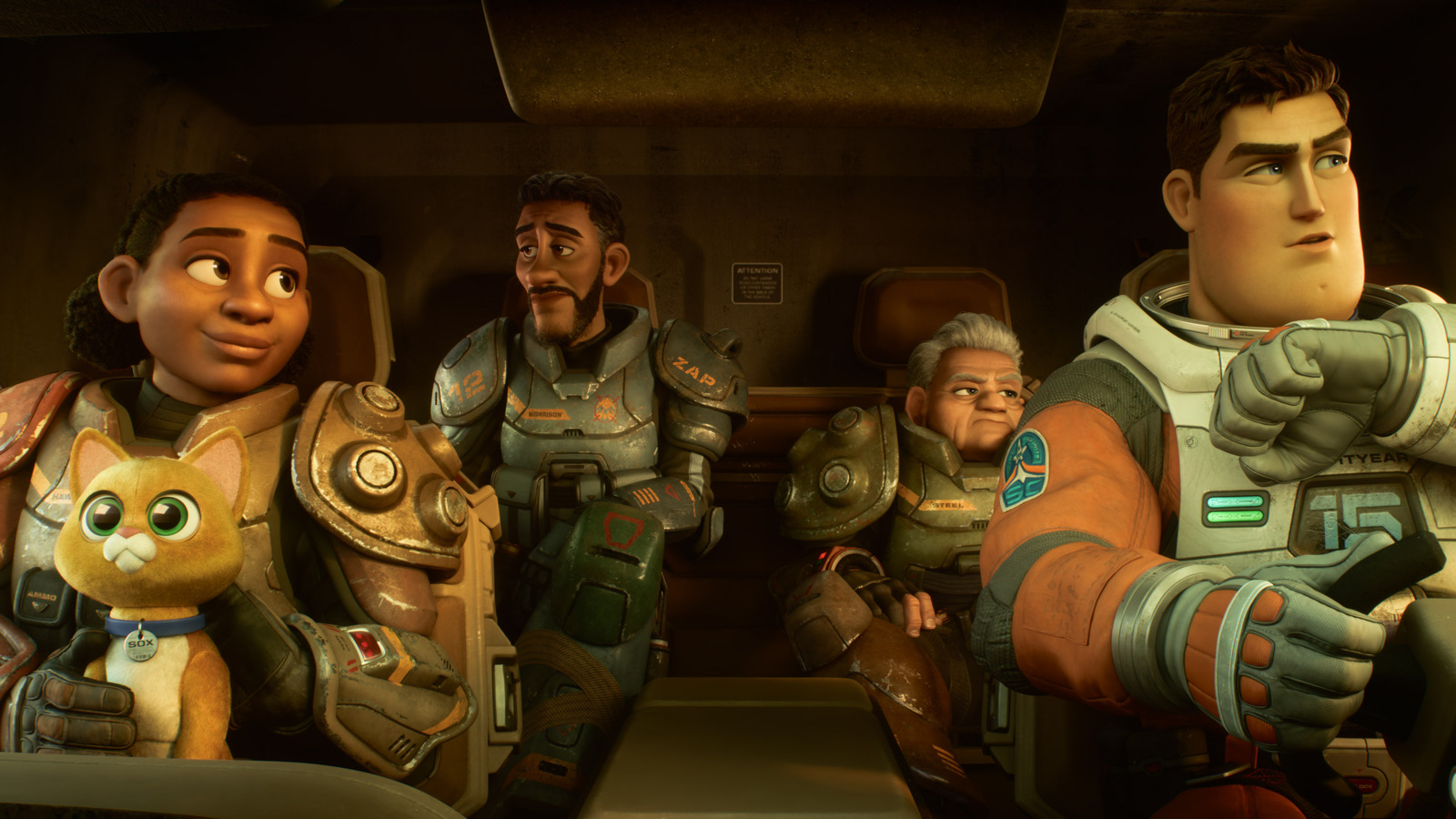
Herein lies the real problem. Lightyear is not, in any meaningful sense, a Toy Story movie. It has name recognition, which Hollywood has come to treat as a golden rule over the past two decades. But it follows a completely different character, played by a completely different actor, in a completely different world.
Like I said earlier, Tim Allen’s Buzz Lightyear is truly great. But the character is only a toy with an inflated ego, being constantly hit in the face by reality like Sideshow Bob stepping on infinite rakes. So much as wondering about “the real Buzz Lightyear” misses the point of the character.
Lightyear may marginally be a victim of conservative backlash, or poor promotion, or even COVID woes. But fundamentally, it’s a victim of its own premise.
What happens now?
Pixar’s next film, Elemental, is already slated for a theatrical release next summer. Barring a huge COVID flare-up or other societal collapse, they probably won’t go back on that. Down the line, other Pixar flicks in development may be looking at streaming releases if Disney has their way.
If anything, The Bad Guys’ recent success proves feature animation is doing fine. In a few weeks, the new Minions movie will likely confirm that. November’s Strange World will tell us if Disney’s animation department has any sort of long-term problem.
I can’t really recommend that you see Lightyear—in fairness, I haven’t seen it myself. If you want variety at the movies, the answer isn’t to support whatever Disney puts out. Live a little and see something out of your comfort zone. If Lightyear’s fate is already sealed, at least it won’t be at the expense of film as a whole.



Having your own business provides a multitude of benefits, but why is it that not everyone is doing it? The majority of people see the prospect of leaving a steady paycheck behind as scary. They look at opening a business, a task that requires a first step that’s steeped in uncertainty, fear, and self-doubt. Here are a few steps you can take to create your own business without the hesitations:
Set Achievable Goals
Identify your goals and start listing smaller but attainable goals from them. This way, you will become less fearful and avoid being overwhelmed. Small goals will be easier to digest and reduce your chances of failure, enough to help build your confidence gradually.
Stop with the Perfectionist Mindset
You may want that website to be perfectly working or that version of your product to be as perfect as possible. According to Entrepreneur, mixing perfectionism with entrepreneurship is a bad idea. Getting started is hard enough. You’d do better if you ignored perfectionism. It will be so easy to set yourself up for disappointment when goals aren’t met. Make sure they are attainable.
Do Your Research
When starting a business, you’ll find yourself doing a lot of research. Don’t get tired of learning, as this is what will propel you toward success. The more you know about your niche, the better you’ll be equipped to handle it. In this day and age that information is just a few taps away, research, learn, and absorb.
Start Small
Easing into entrepreneurship can be the best route if starting big is daunting for you. Start with a part-time business, and as you grow and build confidence, you can add to it more and more. This will also let you keep your day job and still look forward to that paycheck until your business is stable enough to let you focus on it full time.
Have Realistic Expectations

The idea of having that perfect work-life balance when having your own business may only be a myth for beginners. Of course, it would be difficult, and if it were easy, everybody would be doing it. Having realistic expectations can help you prevent disappointments. The key is to have great support from family and friends and the understanding that you’ll have that balance soon if you remain persistent.
Go For Low-Risk Businesses
It would really be daunting if you start with a high-risk business, but if you go for something smaller, it wouldn’t be as scary as it seems. Make sure to align your goals with your resources. If you have a limited budget, it’s okay to find a business that matches your finances. Just thinking of production and marketing costs can stress you out, so start small.
Identify and Build Your Community
If you have the passion, grit, and a bit of cash, you’re well on your way to beating your fear of starting a business. Back these all up with an equally passionate community, and you have the foundation of a successful business. Build this community of investors, partners, and customers to help you gain confidence and the finances to get your business going. When you know you have a support group to lend you a hand, your fears will slowly melt away.
Believe in Yourself and Your Business
Don’t let fear get into your mindset. Start believing in yourself and your business, thinking that you don’t need others to be confident. You can boost it for yourself. Focus on what you need to do and steer clear of your insecurities and uncertainties. If they can do it, why can’t you? Just remember that failure is part and parcel of doing business and that it shouldn’t be a cause for fear.




TLDR: For scalable, high-volume, high-quality design without hiring hassles, Penji is your best bet. For deeply strategic, narrative branding work, go traditional with Contrast & Co, BB Agency, or ProDesigns.
Did you know design is responsible for 94% of first impressions? That means your design is the welcome mat for your soon-to-be customers.
Are you a startup or agency based in Space City looking to launch your design into the stratosphere? You need a design partner who can match your pace.
1. Penji
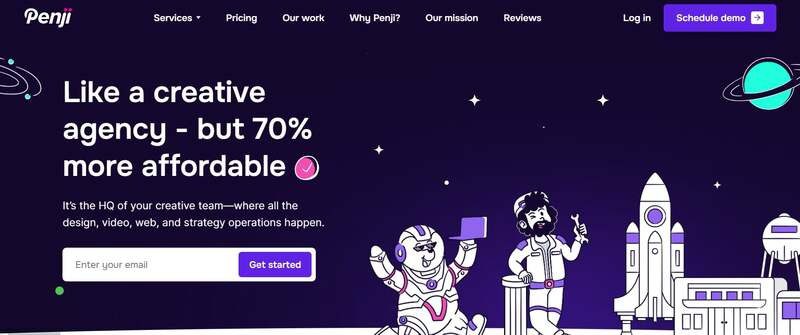
Welcome to the future of design. Penji combines the top 2% of design talent and AI tools for on-demand, monthly subscription, unlimited graphic design, illustration, and UI/UX work.
Get a whole team at your fingertips. Get drafts in 24-48 hours without having to hire a team or deal with inconsistent freelance pricing. From a quick social media graphic to a full web mockup, Penji keeps your project on track at all times.
Pros:
- Unlimited Requests: Submit as many projects as you want.
- Fast Turnaround: Drafts in 24-48 hours.
- Cost-Effective: Flat monthly fee, no hidden charges.
- Expert Designers: Access to top global talent.
Cons:
- Not Strategy-Focused: Best for execution, not long-term brand strategy.
2. Contrast & Co

If you’re looking for the traditional agency model with a little storytelling flair, Contrast & Co is the way to go. Although they’re based in Annapolis, they are experienced with many Houston clients and are known for building brands based on “radical differentiation.” They don’t just design; they tell stories.
Pros:
- Strategic Depth: Excellent for complex rebranding and brand positioning.
- High-End creative: Known for award-winning, narrative-driven visuals.
Cons:
- Cost: Their premium strategic approach often comes with a higher price tag ($10,000+ minimums).
- Timeline: Traditional agency models typically have longer turnaround times than on-demand services.
3. BB Agency
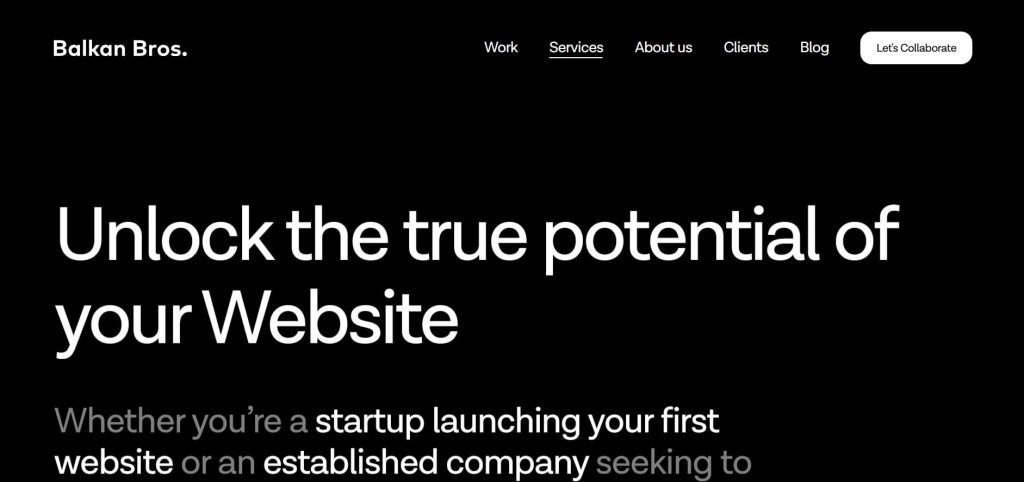
BB Agency works with SaaS and tech companies. They build businesses through thorough B2B branding and digital product design. If you are in the B2B tech space, their portfolio speaks for itself—clean, modern work which places UX at its core.
Pros:
- Tech Focus: Deep expertise in SaaS and B2B sectors.
- Holistic Approach: They handle everything from branding to development.
Cons:
- Niche: Their specific focus on tech might not be the right fit for consumer lifestyle brands.
- Budget: Project costs often range between $50,000 and $200,000.
4. ProDesigns
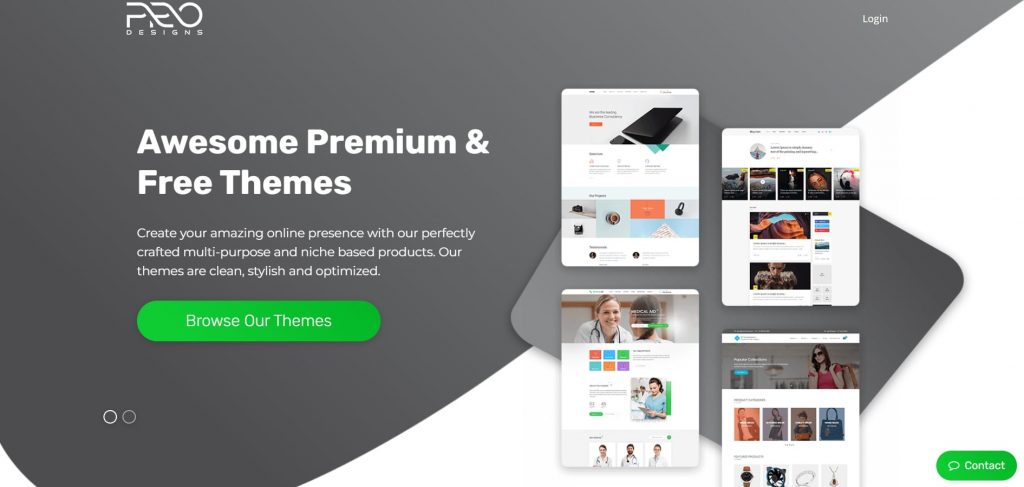
For businesses needing specific, project-based graphic design services, ProDesigns offers a solid middle ground. They focus heavily on logos, corporate design, and packaging. So if you need something created without a subscription or heavy retainer price, they’re great for local one-off projects.
Pros:
- Project-Based: Good for one-off needs like a logo or brochure.
- Affordable: generally more accessible pricing for small businesses compared to large agencies.
Cons:
- Limited Scalability: Managing high-volume, ongoing design needs can become costly on a per-project basis.
- Slower Feedback Loops: Revisions may take longer compared to a subscription model.
FAQs
How much does a graphic design agency cost in Houston?
Agencies in Houston typically charge $100–$175 per hour. Project costs range from $1,000 for small tasks to over $50,000 for full branding. Services like Penji offer a flat monthly rate, often much lower than a single agency project.
What is “design as a service”?
Design as a service offers a subscription model with a flat monthly fee for as much design work as you need for that monthly fee. Instead of paying per hour or project as normal with an agency, this is a way to ensure predictable budgeting and consistency with your design team.
Credit for cover image: Photo by Mikael Blomkvist on pexels

What’s the Best Design Agency in Indianapolis?

How You Can Effectively Beat the Fear of Starting a Business

170 Web Design Questions to Ask Your Clients

What’s the Best Design Agency in Detroit?

What’s the Best Design Agency in Boston? Expert Picks for 2026

Top 4 Best Blog Writing Services for Your Business

What’s the Best Design Agency in New York City
170 Web Design Questions to Ask Your Clients
Top 4 Best Blog Writing Services for Your Business
How You Can Effectively Beat the Fear of Starting a Business
What’s the Best Design Agency in Detroit?
What’s the Best Design Agency in Boston? Expert Picks for 2026
What’s the Best Design Agency in Indianapolis?
 Business3 days ago
170 Web Design Questions to Ask Your Clients
- Business3 days ago
How You Can Effectively Beat the Fear of Starting a Business
- Uncategorized4 days ago
What’s the Best Design Agency in Detroit?
- Uncategorized4 days ago
What’s the Best Design Agency in Boston? Expert Picks for 2026
- Uncategorized9 hours ago
What’s the Best Design Agency in Indianapolis?