
Business
What are the Best Social Media Post Design Services for Startups?


While startups have limited resources, it doesn’t mean they can’t enjoy high-quality graphics for their social media channels. Here are the best social media post design services that are affordable, fast, and efficient:
Penji
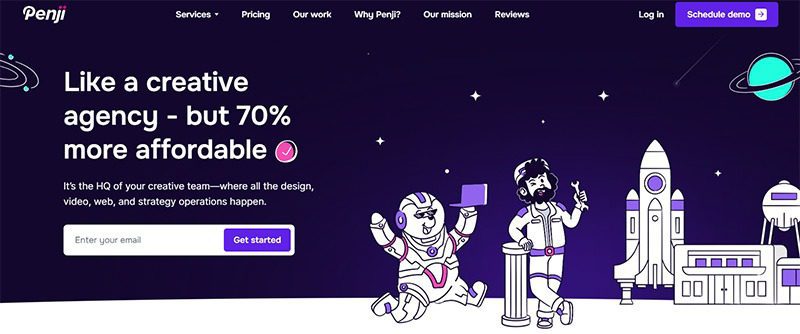
An on-demand graphic design service, Penji tops this list, thanks to its high-quality work, fast delivery times, and flexible pricing plans. It has a team of professional designers that can craft the most amazing social media graphics, logo designs, custom illustrations, and more for as low as $499 per month.
Kimp
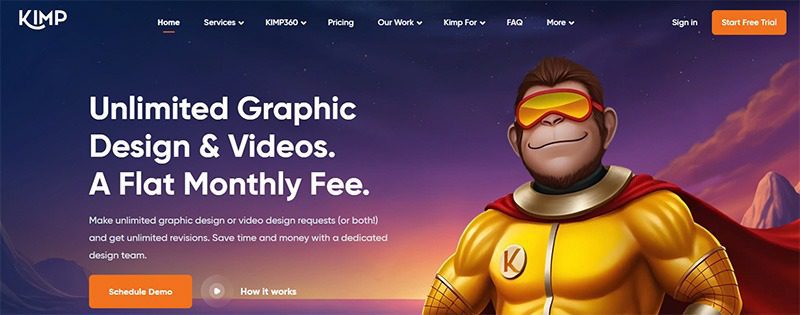
A subscription-based design-as-a-service, Kimp offers unlimited graphic designs and videos for as low as $448 (for a limited time only). You can send as many design requests as you can in a month, revisions included. Its turnaround time is 1 to 2 business days, ideal for startups that need to post content regularly.
ManyPixels
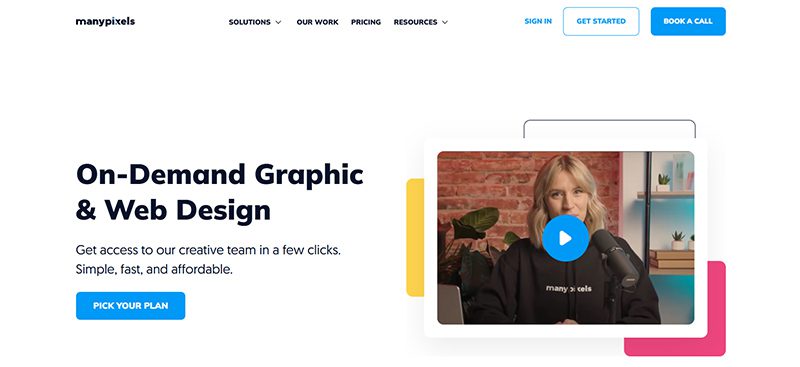
With all-inclusive plans starting at $599 per month, ManyPixels is an excellent option for startups seeking a reliable design solution. A subscription plan includes unlimited design requests, revisions, brands, free stock assets, native source files, and many other graphic design services.
Fiverr
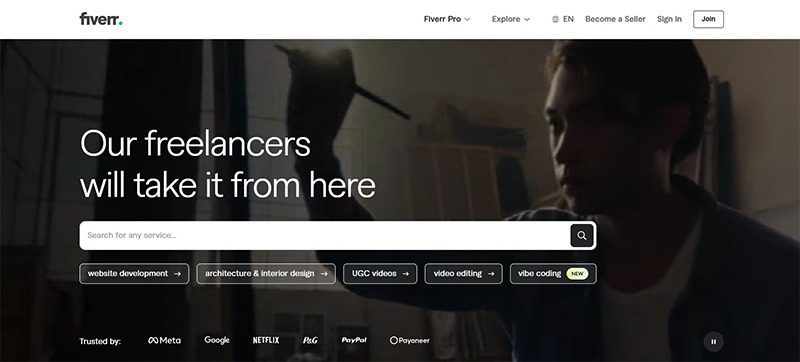
One of the more popular platforms for social media post design services is Fiverr, a freelancer marketplace. Its global platform lets you choose a freelance graphic designer from around the world. You can find one based on their location, rates, expertise, and many other factors. Social media post designs usually start as low as $5 to $20.
Canva Pro
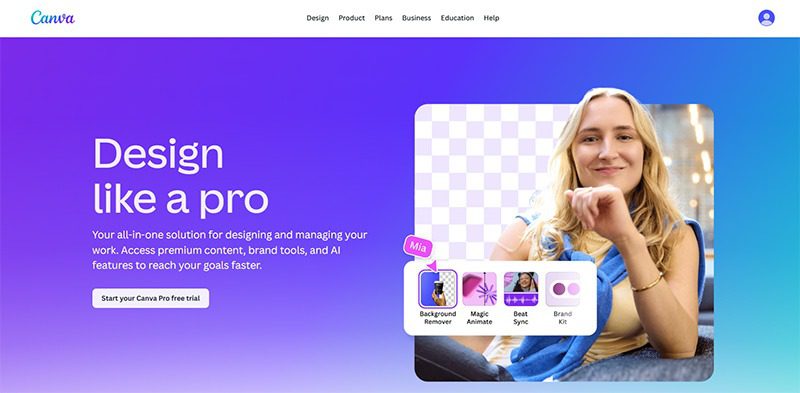
A cloud-based design platform, Canva Pro, has tools to let you create professional-quality social media posts for less. It has thousands of customizable templates, brand kits, and drag-and-drop features to help you boost your social media marketing. It offers a free trial, but if you want to enjoy more of its features, a $15 per month subscription fee is all you need.



It’s a common misconception that efficiency comes naturally with increased organizational scale. For large enterprises, this is not true. More than half of the companies on the Fortune 500 list from 2000 are gone. Few of these failures can be attributed to a lack of resource availability they failed because of growing operational inefficiencies.
The threat posed by increasing inefficiency is not exclusive to failing organizations. Many of today’s most successful companies are still subject to it. The company’s size and complexity mask these inefficiencies, making it difficult to identify the source of corporate waste.
Below are five ways that even the most successful organizations are wasting value, and how others have overcome these operational flaws.
1. The “Zombie” Project Portfolio
Large organizations often solve the wrong problems with high-quality execution. This “signal blindness” happens when a company pours resources into optimizing a legacy process instead of reimagining the outcome. Blockbuster, for instance, didn’t ignore the market; it perfected its store layouts and late fee revenues. It solved for “retail efficiency” while the market pivoted to the “delivery efficiency” of streaming.
Today, this results in “zombie projects”—initiatives that are functional but strategically obsolete. They survive on executive sponsorship or the sunk cost fallacy. The corporate waste isn’t just the team’s salaries; it’s the opportunity cost. Every dollar spent optimizing a dying workflow is a dollar stolen from innovation.
2. Fragmented Creative Execution
As companies grow, their marketing and creative needs expand, often leading to a decentralized approach. One team hires a boutique agency for rebranding, another uses freelancers, while others rely on overworked in-house teams. This fragmentation creates a “creative tax”—paying premium rates for simple tasks and risking brand inconsistency when too many hands touch the visual identity.
To address this, forward-thinking companies are adopting systemized execution models. By auditing creative workflows, they categorize tasks by complexity; high-concept strategy stays with premium agencies, while high-volume work is streamlined. Platforms like Penji offer predictable, flat-rate workflows for routine design, reducing the need for managing multiple freelance contracts and ensuring faster execution.
3. Data-Rich, Insight-Poor Architectures
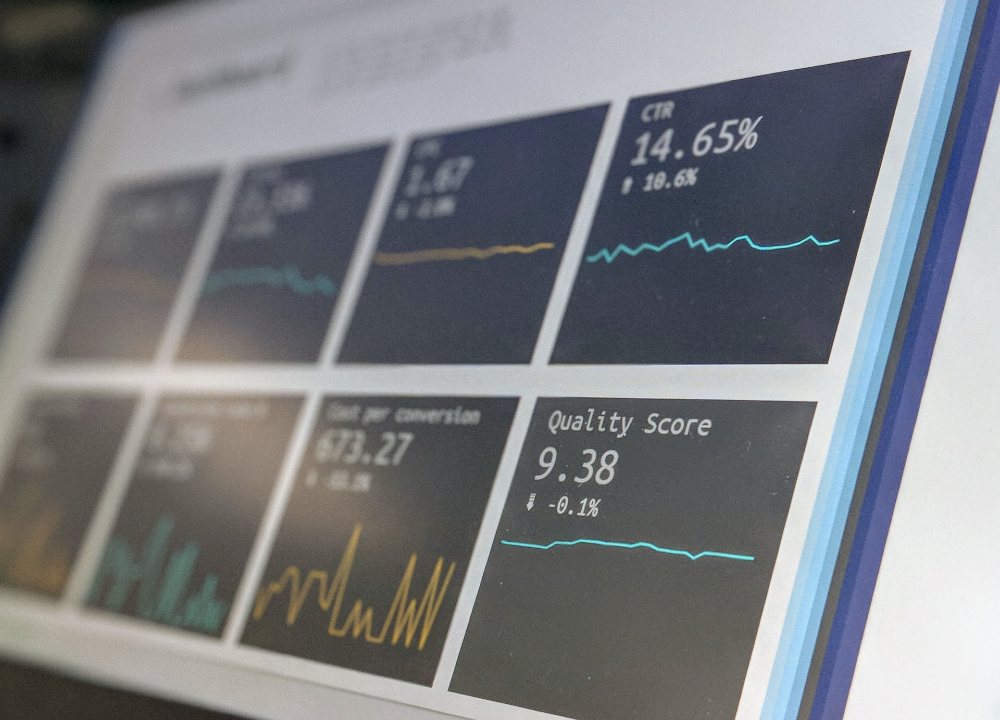
Many organizations believe that a lot of data equals intelligence (or innovative capacity), but this is an ineffective approach. Why pay for a system that makes it so information capture is more complicated because of too much or unnecessary information? For instance, why pay for a system that generates reports on vanity metrics, social media impressions, views of a website when no conversion value exists? It’s a waste of time, money and resources.
Analytics systems that fail to provide actionable insights result in data overload, where decision-makers struggle to separate what matters from what doesn’t. Truly efficient organizations prioritize actionable metrics that are directly tied to performance and strategy and limit unnecessary data collection. By doing so, they reduce the costs and complexities associated with storing and analyzing irrelevant information, ultimately enabling faster, more effective decision-making.
4. Capital Structure Inertia
Hidden inefficiencies can often be found in the structure of a company’s balance sheet. Over the years, Fortune 500 firms have steadily increased their reliance on debt, as seen in the rise of debt-to-total-assets ratios from 0.5% in 1950 to 20.4% in 2020. While leveraging debt can act as a growth engine, many firms fall into the trap of maintaining a static capital structure, regardless of market shifts or economic conditions.
For example, some companies hold excessive cash reserves that earn minimal value, while others continue to operate under high leverage even as interest rates climb. Failing to adjust debt-to-equity ratios to account for factors like inflation or widening credit spreads locks businesses into inefficient financing practices. Optimizing capital structure by aligning it with current economic conditions can help firms unlock trapped value and avoid unnecessary financial strain.
5. High-Friction Talent Utilization

One of the major inefficiencies in many large organizations is the poor use of human capital. The highest-level executives in many companies use their time for tasks that are not high impact for the organization. For example, someone in the Marketing Director role might spend several hours on each monthly report’s formatting and presentation. A VP of Sales might spend extensive time entering or updating customer relationship management data.
While all these tasks are necessary for a well-run company, having people with such high levels of expertise and experience carry out many of them is inefficient. Rather than hiring more staff to carry out these tasks, companies can take steps to reduce friction and inefficiencies in their day-to-day operations. For example, the company can use no-code automation tools to streamline processes.
The Shift to Operational Discipline
The most successful companies were not built by focusing on productivity gains for large organizations. This strategy yields diminishing returns when data demonstrates limited benefits from scaling workforce size and automation adoption.
They synthesized a unique challenge perspective and systemized execution strategy focusing on eliminating hidden operational cost sources. The companies that grow the next decade’s most significant will follow this example, making them ruthlessly efficient and hard to compete with.
Cover Image Credit: Photo by Karolina Grabowska on pexels




The Biggest Hidden Cost in Healthcare Isn’t Staff Time. It’s Operational Friction.

5 Things Even Fortune 500 Companies Quietly Waste Money On

The Biggest Hidden SaaS Cost Isn’t Ads—It’s Post-Click Execution

Top 10 Artificial Intelligence Solutions Your Business SHOULD Use

OpenStudio – Business Management All-In-One

What’s the best logo design agency in Los Angeles?

What’s the Best Design Agency in Arizona for Small Businesses?

How to Determine Which Social Network Is Right For Your Business

Know These Logo Statistics and Facts to Grow Your Business

How To Do Business Marketing For Free
OpenStudio – Business Management All-In-One
Top 10 Artificial Intelligence Solutions Your Business SHOULD Use

Here’s How You Can Scale Your Business Beyond a 7-Figure Revenue

What’s the Best Design Agency in Las Vegas?
 Business3 days ago
OpenStudio – Business Management All-In-One
- Technology3 days ago
Top 10 Artificial Intelligence Solutions Your Business SHOULD Use
- Uncategorized4 days ago
What’s the Best Design Agency in Arizona for Small Businesses?
- Business4 days ago
What’s the best logo design agency in Los Angeles?
- Business5 days ago
What’s the Best Design Agency in Pennsylvania?
- People41 minutes ago
The Biggest Hidden Cost in Healthcare Isn’t Staff Time. It’s Operational Friction.
- Uncategorized3 hours ago
The Biggest Hidden SaaS Cost Isn’t Ads—It’s Post-Click Execution
- Business1 hour ago
5 Things Even Fortune 500 Companies Quietly Waste Money On


