
Entertainment
Will AI Music Creator Apps Change The Music Industry?


The rapid rise in popularity and revenue generation of AI-generated songs has naturally raised concerns among music industry gatekeepers. Recently, Universal Music Group, representing artists like Drake and The Weeknd, took a proactive stance against copyright violations by urging platforms to remove the AI-generated track titled “Heart on My Sleeve.”
The Emergence of AI Music Creators

The concept of using AI for music creation may sound futuristic, but it has been steadily developing over the past few years. AI systems became sophisticated enough to compose music that could rival human products. With advancements in deep learning algorithms, AI has become adept at analyzing vast datasets of existing music, learning patterns, and generating new compositions that reflect the styles of various artists and genres.
The technology has advanced to a point where AI-generated music can now mimic various musical styles. However, music fans and reviewers argue that no musical Rubicon has been crossed. And AI hasn’t crushed the music business yet. Find out whether the booming AI creator applications will change the music industry.
Is AI the new star of the music world? Not quite. Trending AI image generators like Dall-E 2 and Midjourney can create images based on prompts. On the contrary, making music is a different ballgame. In this situation, a human was essential to combine track production, lyrics, and chord structures. AI’s role mainly was sourcing raw materials, but human hands curated most of the work. The outcome is undeniably a fusion of organic human creativity and synthetic machine intelligence. Despite the existence of fully integrated AI music creators, they still need to pass the music Turing test. It needs further development and refinement.
Democratization of Music Creation
One of the most significant impacts of AI music creators is the democratization of music creation. Historically, music production required access to expensive recording studios, skilled musicians, and complex equipment. AI music creators, on the other hand, allow aspiring artists with limited resources to produce high-quality compositions in the comfort of their homes. AI has opened doors for a more diverse musical expressions, challenging traditional gatekeepers in the music industry.
Personalized Music Experiences
As AI gains insights into users’ preferences, it can create personalized music experiences. Streaming platforms and music apps can use AI to curate playlists and recommend songs that align with individual listeners’ musical tastes. This level of personalization enhances user engagement and loyalty. It may also increase user satisfaction and revenue for the music industry.
Collaborative Opportunities

AI-generated music is not designed to replace human musicians but rather to complement them. It presents a unique opportunity for artists to collaborate with AI systems to explore new creative avenues. Musicians can use AI as a co-creator to generate melodies and harmonies. In addition, AI can also recommend production techniques. This collaboration can spark fresh ideas and push the boundaries of what’s creatively possible. In other words, this fast-evolving technology is designed to create a fusion of human artistry and AI innovation.
Challenges and Ethical Considerations

While AI music creators offer numerous benefits, they also raise important ethical considerations and challenges for the music industry. Here are some of the difficulties facing AI-generated music:
Copyright and Intellectual Property
As AI becomes proficient at mimicking specific artists’ styles, there arises a question of ownership and copyright. Who owns the rights to a song generated by AI that sounds remarkably similar to a famous artist’s work? Determining the legal and ethical ownership of AI-generated music can be complex and requires a reevaluation of copyright laws and intellectual property rights.
Originality and Creativity
Critics argue that AI-generated music needs more true creativity as it is based on patterns and algorithms derived from existing compositions. While AI systems can produce impressive pieces, they may need to possess the depth of emotions that fuel human creativity. Defining and appreciating the distinction between human and AI creativity will become a focal point in future discussions.
Impact on Human Musicians
The fear of automation replacing human jobs is not new to the music industry. AI music creators also raise concerns about the impact on human musicians and composers. Will AI take away opportunities for human musicians? Will it create new avenues for artistic expression? These are just a few questions arising from this creative innovation. That’s why maintaining a balance that supports both human creativity and AI innovation is essential for the sustainable growth of the music industry.
Future Possibilities in AI-generated Music
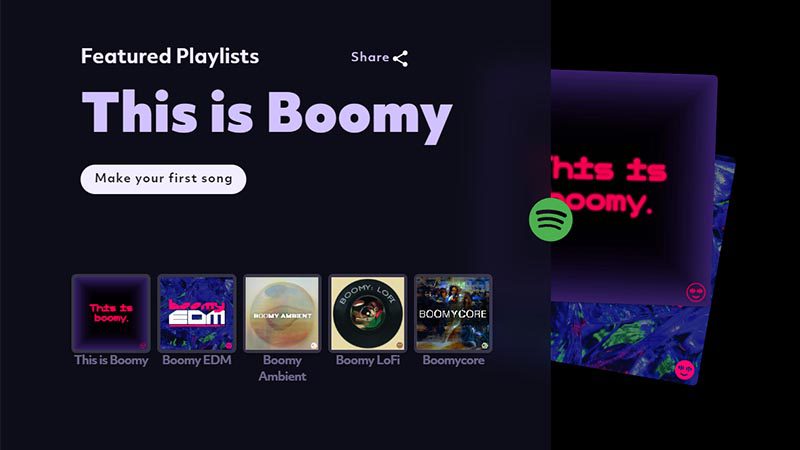
An example of AI music creator – Boomy.com
Looking ahead, the integration of AI music creators into the music industry opens up exciting possibilities:
1. New Music Genres and Styles
AI music creators can blend elements from various genres, leading to the emergence of new musical styles. By pushing the boundaries of conventional music, AI can inspire artists to explore uncharted territories, resulting in a more diverse and innovative musical landscape.
2. AI-Powered Live Performances
Imagine a concert where AI-generated music is composed and performed in real-time, tailored to the audience’s preferences and reactions. AI-powered live performances can create unique and immersive experiences that evolve with the energy of the crowd, transforming the traditional concert experience.
3. Enhanced Music Education and Learning
AI can also revolutionize music education, offering personalized learning experiences for students. AI-powered tutoring systems can analyze individual students’ progress and tailor lesson plans to address their strengths and weaknesses, ultimately improving the overall learning process.
Final Thoughts
The real question is whether AI-generated music can evoke an emotional response. For music to resonate, there must be a deeper connection and meaning. The automated process lacks feeling, movement, and experience in music creation. AI can create a higher-value proposition for the real thing. But like knock-offs in fashion, there will be a market for mid-brow auto-songs and hand-crafted haute couture music.
With AI’s assistance, we can better use natural, organic, human-made art to access our subconscious selves. There is hope. Artists should see the emergence of AI music creator tools as an opportunity and extension of their brands. Future music fans will design the music they want to hear. Moreover, the creative class must learn to adopt AI and leverage their skills effectively, not lament the inevitable.





A household name known across the globe, the NBA (National Basketball Association) needs no introduction. Everyone is familiar with the logo, the commercials, the players, and the teams. This is all thanks to its establishment in 1946, which has grown into a lucrative and prosperous business, loved by many basketball fanatics. But how exactly did the NBA achieve this global success? Find out here.
History of the NBA: How it Started
Deemed the most significant professional sports league in the U.S. and Canada, the NBA is a favorite basketball league among most men worldwide. It’s a professional basketball league in North America, with 29 teams in the United States and one team in Canada. Overall, the NBA has 30 of the best basketball teams with the best talent in the world.
The NBA was founded on June 6, 1946, in New York City, with Maurice Podoloff as its first president and commissioner. Its original name was the BAA, which stands for Basketball Association of America. It then merged with its competitor, which is another basketball league called the National Basketball League (NBL). And this is when the league changed its name to the National Basketball Association (NBA).
The NBA’s basketball season runs from October to April, with the playoffs extending into June. Each of the 30 teams plays 82 regular-season games, and the league now includes a midseason tournament called the NBA Cup, held in November and December, which adds competitive flair to the early calendar.
As of 2025, NBA players remain among the highest-paid athletes in the world based on average annual salary. For example, Stephen Curry leads the league with a salary of $59.6 million, followed closely by stars such as Joel Embiid, Nikola Jokić, and Kevin Durant, all of whom earn over $50 million per season. The league’s growing media deals and global reach continue to drive player earnings upward.
These are the NBA teams of the 2024–25 Season:
- Atlanta Hawks
- Boston Celtics
- Brooklyn Nets
- Charlotte Hornets
- Chicago Bulls
- Cleveland Cavaliers
- Dallas Mavericks
- Denver Nuggets
- Detroit Pistons
- Golden State Warriors
- Houston Rockets
- Indiana Pacers
- Los Angeles Clippers
- Los Angeles Lakers
- Memphis Grizzlies
- Miami Heat
- Milwaukee Bucks
- Minnesota Timberwolves
- New Orleans Pelicans
- New York Knicks
- Oklahoma City Thunder
- Orlando Magic
- Philadelphia 76ers
- Phoenix Suns
- Portland Trail Blazers
- Sacramento Kings
- San Antonio Spurs
- Toronto Raptors
- Utah Jazz
- Washington Wizards
The Reason for the NBA’s Success
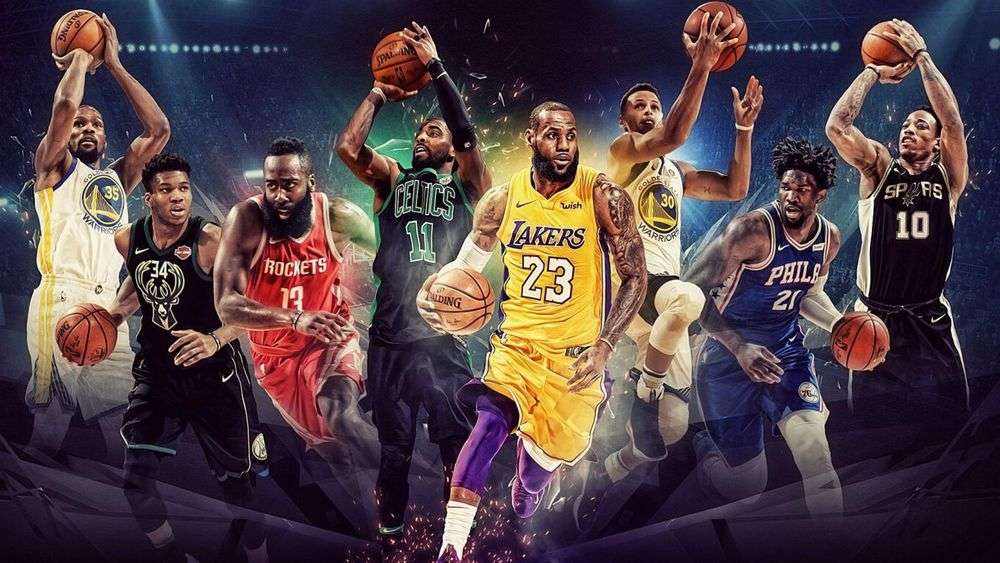
The NBA is the most successful sports league globally, amassing billions in revenue. And this is due to how innovative this professional basketball league is. For decades, it had to catch up to its competing sports leagues, such as football and baseball.
Moreover, the NBA is also the first league to transform its all-star game into a three-day weekend packed with fun events with impressive turnouts. The NBA is also responsible for turning NBA players into global stars due to worldwide broadcasting. The NBA dominated the other top sports league in America, Major League Baseball.
Since it’s not a public company, the league doesn’t disclose detailed public financial reports. But one Forbes report that shows valuations of all 30 NBA teams, the league’s revenue in the 2018 to 2019 season reached around $8.6 billion.
Each one of the teams is valued at $1 billion, and one team, on average, is worth $2.2 billion. This is about 14 percent higher than the 2017 to 2018 season.
It’s no surprise that NBA players are the best-paid athletes in the world. Plus, it certainly also doesn’t shock everyone why the NBA’s revenue could reach up to billions. And that’s because the league amasses its revenue from several streams.
Revenue from TV
While many would like to see the action live on a court, many people also prefer to watch games on TV. And this is why the NBA’s television revenue is a major part of its success. The league has garnered several television contracts that continue to increase over the years.
During the 2016 to 2017 season, ESPN and TNT had to re-up their contracts to approximately $24 billion. It was a nine-year deal that earned the NBA around $2.6 billion per year.
The NBA also had to ramp up TV advertisements, which is also one of the reasons why the league gained popularity over time.
Revenue from merch
Another significant contributor to NBA’s revenue is merchandise, which accounts for around $1 billion annually. During the 2017 to 2018 season, the teams wore advertisements on their jerseys for the first time in the history of NBA. This is called the Jersey Patch revenue, which lets teams take home $9.3 million annually.
Another revenue from merch is sponsorships. The NBA also gets sponsorship from major brands like Nike and Adidas, with contracts amounting to billions.
Revenue from tickets
The ticket sales aren’t the NBA’s primary source of revenue. However, it still stacks up to incredible sales every season. For instance, tickets are sold at around $70 each. Multiply that by 15,000 to 20,000 attendees. You do the math.
Worst draft in the history of NBA

According to experts, the worst draft in the history of the NBA was the 2000 NBA draft on June 28, 2000. It was the only draft in which a college senior was considered the top overall selection.
The only top pic was Kenyon Martin, first-rounder Jamaal Magloire, and second-rounder Michael Redd.
Most high-performing teams
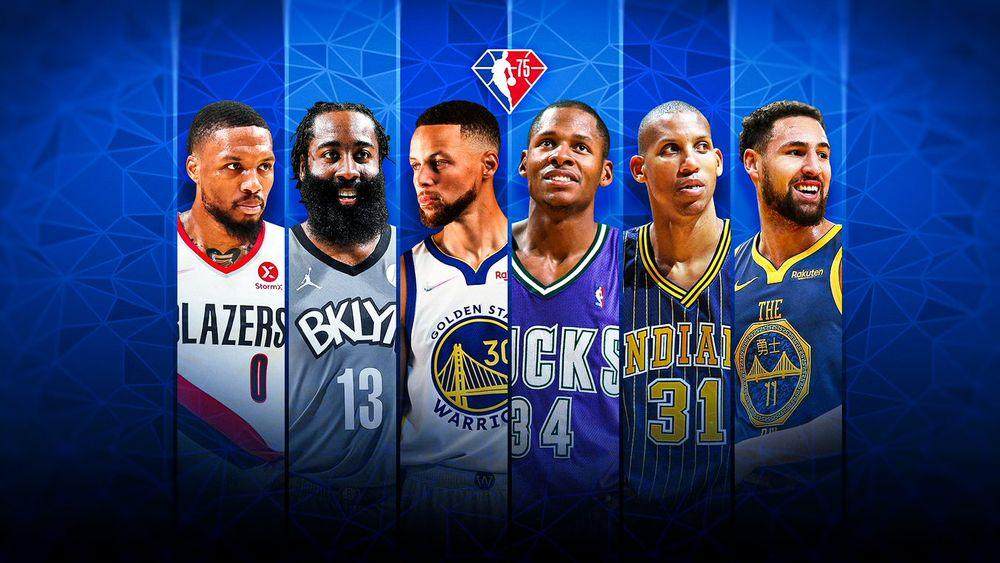
The top NBA players have been gaining stardom globally, with fanatics giving their full support in every game. These NBA legends list continues to grow, with names in each new generation.
Some of the greatest NBA players of all time (2025 edition)
- Michael Jordan
- LeBron James
- Kareem Abdul-Jabbar
- Bill Russell
- Magic Johnson
- Wilt Chamberlain
- Larry Bird
- Kobe Bryant
- Tim Duncan
- Shaquille O’Neal
- Hakeem Olajuwon
- Oscar Robertson
- Kevin Durant
- Stephen Curry
- Dirk Nowitzki
- Charles Barkley
- Karl Malone
- John Stockton
- David Robinson
- Julius Erving
- Elgin Baylor
- Steve Nash
- Allen Iverson
- Kevin Garnett
- Rick Barry
- John Havlicek
Modern legends rising into historical greatness
- Giannis Antetokounmpo
- Nikola Jokic
- Shai Gilgeous-Alexander
- Jayson Tatum
- Luka Doncic
- Victor Wembanyama
It’s still tricky to crown a single “best” team in NBA history—success can be measured by championships, consistency, or win-loss records. But here’s how things stand now:
- Boston Celtics remain the winningest franchise in NBA history, with 3,574 total wins.
- San Antonio Spurs still hold the highest all-time win percentage over the past 25 years, winning 62.5% of their games.
- Minnesota Timberwolves continue to rank among the lowest in win percentage, with a historical record of 1,088 wins to 1,581 losses, translating to a 40.8% win rate.
For current standings and team performance, you can visit the NBA’s official standings page.
Conclusion
The sports league juggernaut isn’t slowing down anytime soon. As long as basketball fans are still raving about their favorite teams and players, it’s no surprise this basketball league will enjoy revenue increases in the coming years.
For other stories, read more here at Owner’s Mag!

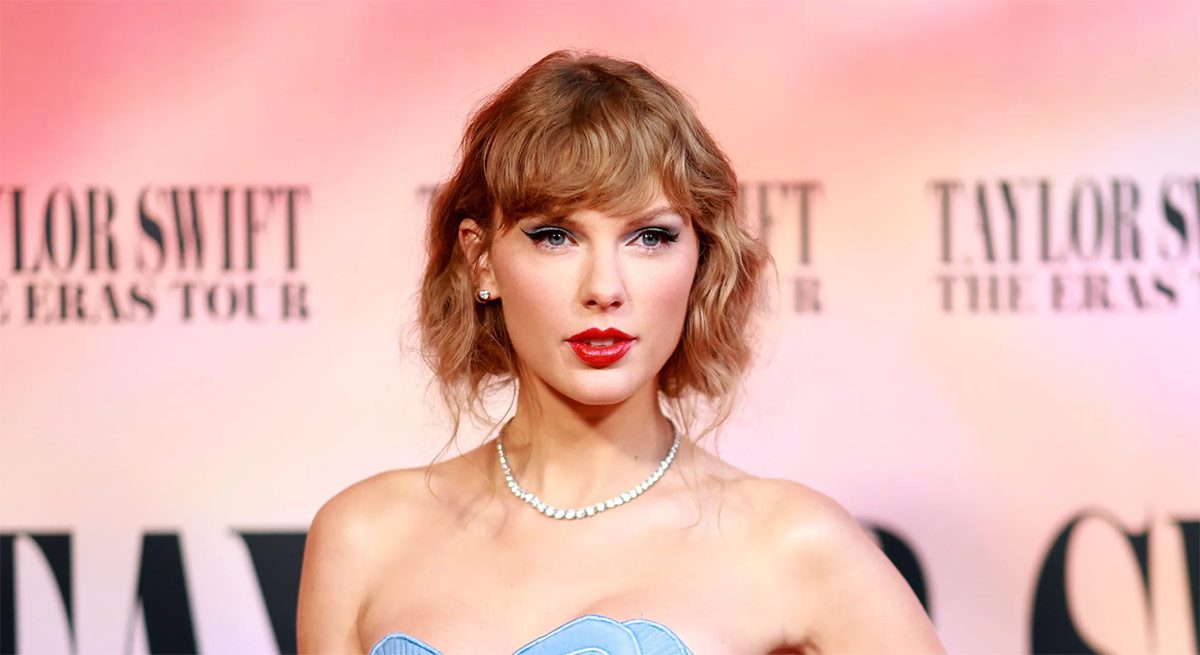
Taylor Swift’s journey in music has been nothing but extraordinary, phenomenal, even. From a young country music singer-songwriter to a global pop culture icon, she has consistently pushed the boundaries of what it means to be a successful artist. With a $1.6 billion real-time net worth as of this writing, her fortune is built not only on her musical talent but also from her savvy business acumen and deep connection with her fans.
Taylor Swift’s Rise to Stardom
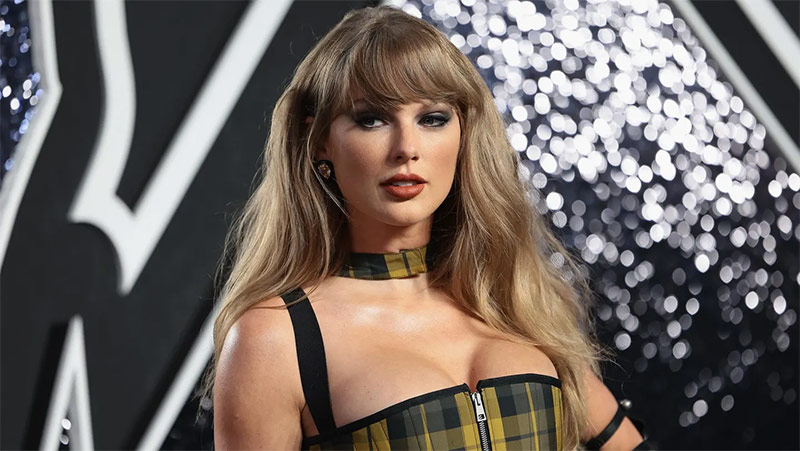
First making a name in the world of country music, Taylor Swift began her musical journey as a teenage prodigy. She signed with Big Machine Records at the age of 14, and by 2006, she had released her self-titled album.
This gained her much-needed attention, thanks to the incredible mix of catchy melodies, heartfelt lyrics, and a distinct country-pop sound. A few tracks (Tim McGraw and Teardrops on My Guitar) became instant hits and anthems for her young listeners. Swift’s amazing ability to capture the complexities of adolescence resonated loudly with fans and, with much authenticity, built her a loyal following.
The release of her 2014 album, 1989, showcased Swift’s exploration of a broader musical territory. Her transition from country to pop was met with critical and commercial success, paving the way for a larger global audience and expanding her reach beyond country music. This album cemented her position as a mainstream pop icon.
Since then, Swift has garnered recognition, including 12 Grammy Awards, while solidifying her status as a cultural icon.
The Business of Taylor Swift
Another significant component of Taylor Swift’s success comes from her keen business acumen. Early in her career, she made one of her most strategic moves: securing the ownership of her songwriting rights. Her deal with Big Machine Records resulted in the label owning the rights to her first six albums.
To gain control over her creative work, Swift rerecorded and rereleased her music, calling them Taylor’s Versions. This was met with immense commercial success while raising awareness about the challenges artists face in the music industry. This positioned her as a voice for change and a powerful advocate for fellow musicians.
The business savvy didn’t end with Taylor Swift’s music. Endorsements, investments, and partnerships also added to her wealth. Then there’s the merchandising empire, which is a huge part of Taylor Swift’s financial success. Swifties, as her fans call themselves, are fiercely loyal and would buy exclusive merch tied to Swift’s albums, tours, and personal branding.
The Financial Impact of “The Eras Tour”
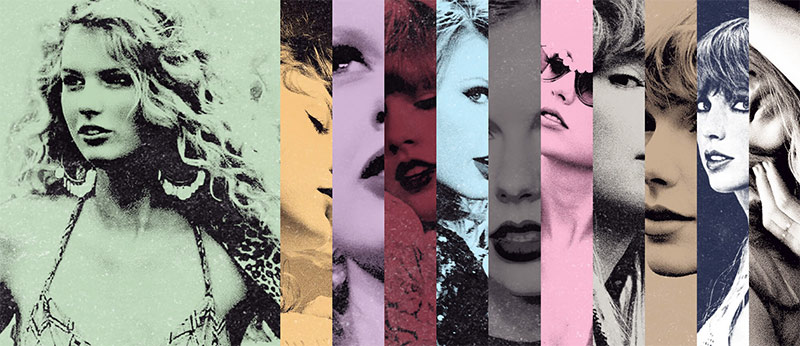
And the buck doesn’t stop there. The Eras Tour has been a game-changer for Taylor Swift. It set new records and reshaped the live music industry. It became one of the highest-grossing in history, with some estimates at over a billion dollars in revenue. While it showcases her universal appeal, it also boosted economies in cities around the world.
Each of Swift’s performances became a celebration of her musical journey. They were replete with stunning stage designs, elaborate setlists, and personal storytelling, creating an immersive experience that gave the show a once-in-a-lifetime feel.
The influx of Swifties impacted host cities economically. Local businesses such as hotels, restaurants, and transportation benefited greatly from the tour.
Taylor Swift: The Savvy Businesswoman
Carefully managing her brand and image led Taylor Swift to success beyond her music. She evolved with her audience but remained true to her values. Controlling her narrative, she has crafted a relatable yet aspirational persona that resonates well with millions.
Additionally, Swift has aligned her brand with various social causes, reinforcing her image as a musician and entrepreneur who uses her success to make a positive impact. She does this by using her platform to speak out on issues such as LGBTQ+ rights, women’s empowerment, political activism, and overall encouraging change.
The Road to a Billion
Taylor Swift’s road to billionaire status is a result of her diverse income streams. We now know her wealth comes from music royalties, specifically The Eras Tour, merchandise sales, and smart investments. She further strengthened her financial portfolio by investing in real estate, tech companies, and her own production company.
When you compare her to other artists who have reached billionaire status, such as Rihanna and Jay-Z, you’ll see that her success is distinguished by her complete control over her music and brand. While others entered other industries like fashion and beauty, Swift focused on her music, tours, and merchandise, creating a self-sustaining financial empire.
The Cultural Phenomenon

There is no doubt, Taylor Swift is a cultural phenomenon, and this is thanks to her enduring connection with her fanbase, the Swifties. She has built a solid relationship with them through genuine interactions, storytelling, and a sense of community. She has shown an openness in social media that, alongside her relatable lyrics, connected her with fans on a deeper and more personal level.
Taylor Swift has indeed shaped pop culture and the entertainment industry by setting trends, challenging norms, and advocating for causes she believes in. From fashion trends to how artists navigate their careers, Swift has made her impact. Most importantly, her authenticity has set her apart.
She has displayed the ability to evolve musically while maintaining her values, earning her the loyalty of her diverse following. Her lyrics are deeply personal, touching on various subjects like love, heartbreak, and self-discovery, echoing the sentiments of her listeners on a universal level.
Final Thoughts
From a country music star to a global icon, Taylor Swift has to thank her unparalleled talent, strategic thinking, and deep connection to her fans. Her savvy business moves, groundbreaking tours, and authenticity have helped her amass a fortune while transforming her into a cultural phenomenon.

What’s the Best Logo Design Agency in Chicago?

The Software As A Service Business Model Explained

Best Design Agency in Washington – 2026 Top Picks

Top 10 Email Marketing Software Modern Businesses Need Today

What’s the Best Design Agency in San Francisco?

5 Quiet Operational Leaks Costing Fortune 500s Millions

The Biggest Hidden Cost in Healthcare Isn’t Staff Time. It’s Operational Friction.

How To Do Business Marketing For Free

OpenStudio – Business Management All-In-One
Top 10 Email Marketing Software Modern Businesses Need Today
The Software As A Service Business Model Explained

Top 10 Artificial Intelligence Solutions Your Business SHOULD Use

What’s the Best Design Agency in California? Our 4 Top Picks
The Biggest Hidden Cost in Healthcare Isn’t Staff Time. It’s Operational Friction.
 Business2 days ago
Top 10 Email Marketing Software Modern Businesses Need Today
- Business2 days ago
The Software As A Service Business Model Explained
- Uncategorized4 days ago
What’s the Best Design Agency in San Francisco?
- Uncategorized2 days ago
Best Design Agency in Washington – 2026 Top Picks
- Uncategorized2 days ago
What’s the Best Logo Design Agency in Chicago?


