
Uncategorized
What’s the Best Logo Design Agency in Florida?




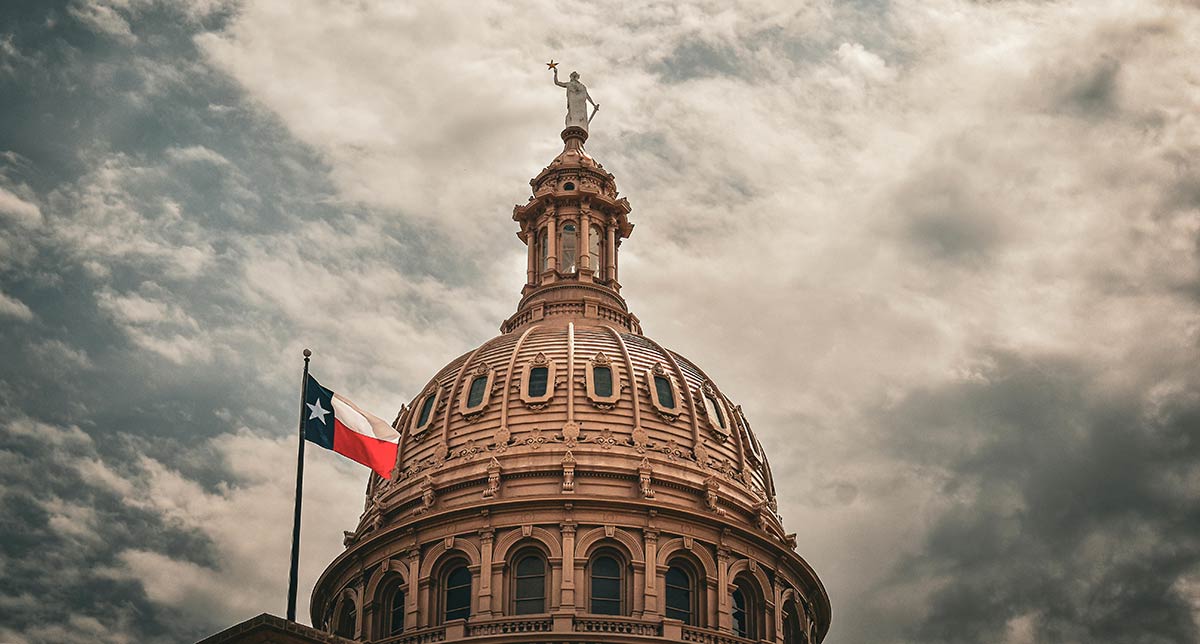
Finding the best logo design agency in Texas for your business can be a huge challenge, given the multitude of options. So, we did the hard work and scoured the Lone Star State for the top five choices:
Penji
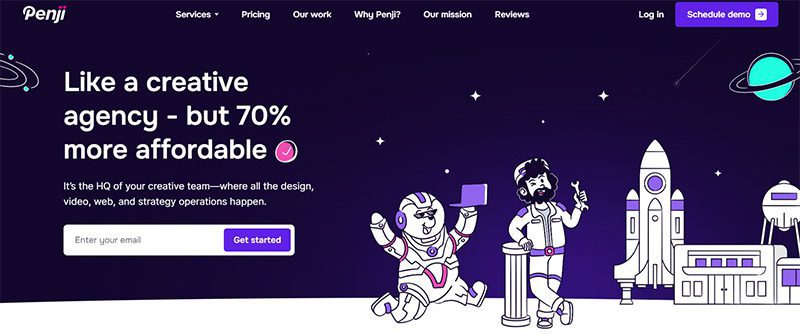
Topping this list of the best logo design agencies in and out of Texas is Penji. It is a design-as-a-service platform that offers unlimited logo design requests and revisions for a fixed monthly fee. Not only will you get amazing logo designs, but you can also submit requests for infographics, custom illustrations, web and app designs, social media graphics, and more.
Vareweb
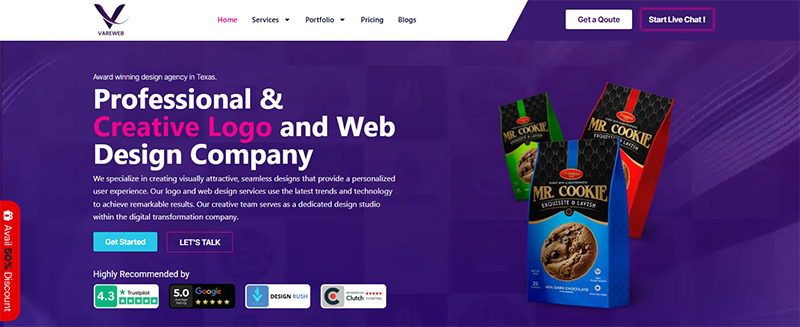
For all your logo and web design needs in Texas, there’s Vareweb. It offers web and logo design, as well as digital marketing services. This design agency’s goal is to craft people-centric designs that address your business’s specific needs. This is essential in establishing a distinct identity for your band.
Tilted Chair
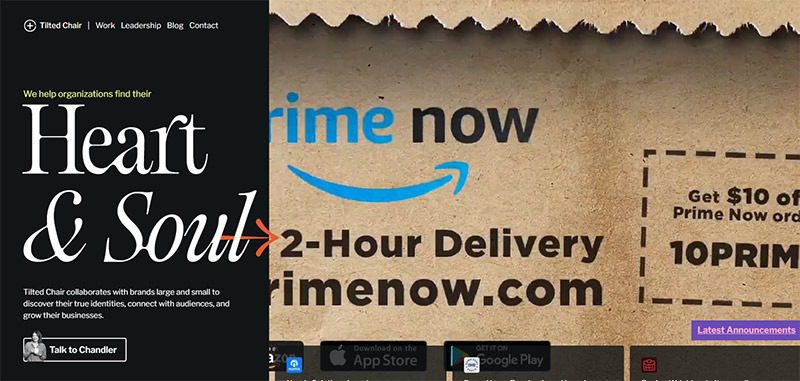
If you want your brand to stand out in the crowded marketplace of today, Tilted Chair, one of the best agencies in Texas, will help you find your heart and soul. It offers more than logo design and branding; it also includes package design, photography, video production, and web design and development.
Logo Design Valley
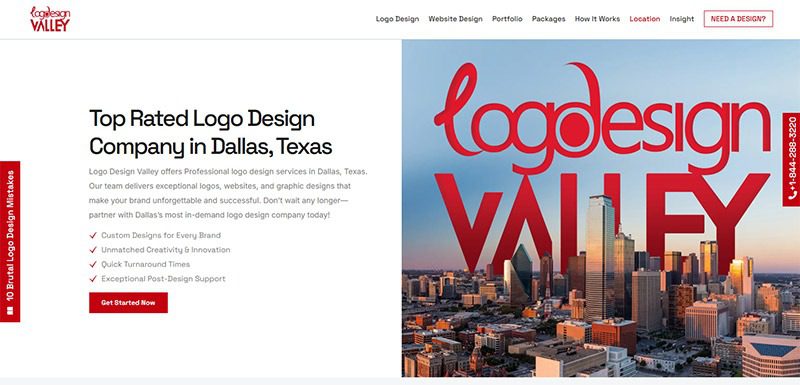
Another top-rated logo design company, Logo Design Valley, will deliver your logo in 3 to 5 days. If you need a fast yet amazing logo design, this is your best bet. It offers a risk-free guarantee: Love It or It’s Free. It includes unlimited revisions, allowing you to make as many tweaks as you need until you’re happy with the design.
Spire
With over 25 years of experience, you’re in good hands when you partner with Spire. It offers brand strategy, brand foundation, sales enablement, and brand awareness services. This includes advertising, brand guidelines, competitive analysis, and many more.


Creative and production inefficiencies can be one of the quiet operational leaks that cost businesses, even Fortune 500 companies, millions of dollars. That said, finding the best design agency in New Jersey will not only give you access to the best creative skills and graphic design service, but also allow your process to be more efficient in terms of consuming time, money, and effort.
Here are the top options for the best design agency in New Jersey, including their pros and cons, and why you should consider them for your creative needs.
1. Penji
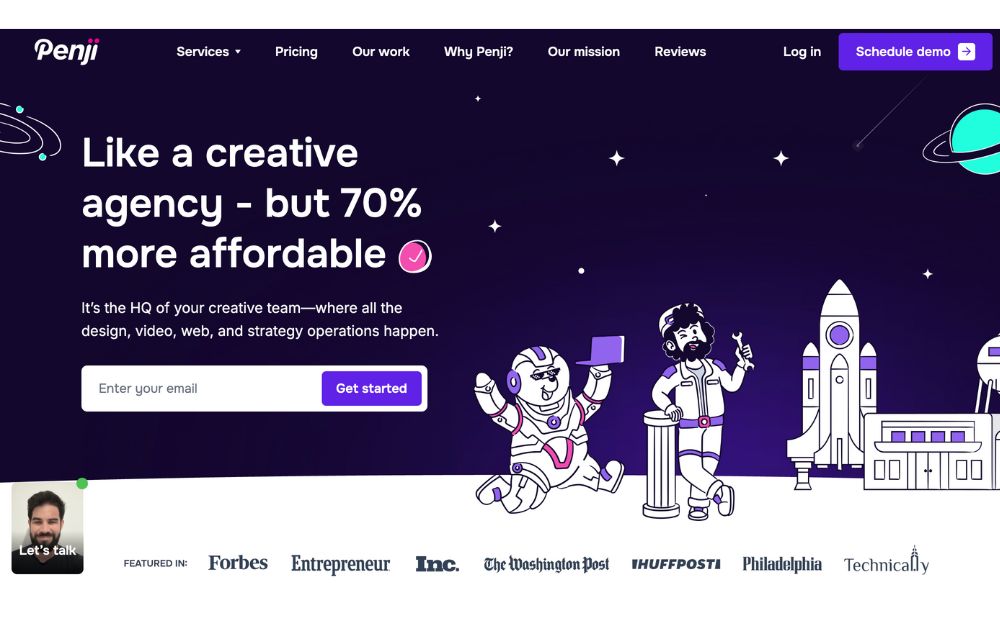
Penji is a graphic design agency trusted by brands across all types of industries and niches. Though originally headquartered in Camden, this design-as-a-service operates remotely, meaning it can serve clients from any part of the world. The best thing about Penji is the quality of designs. As they only hire the top 2% of designers from around the world, you’ll have a chance to work with the best designers, giving your campaigns an edge.
Pros:
- Top-notch designer
- 24-48 hours turnaround time
- Monthly subscription
- No long-term commitment
Cons:
- May not be the best choice if you want full-service campaign services
2. Dillon Ross Group
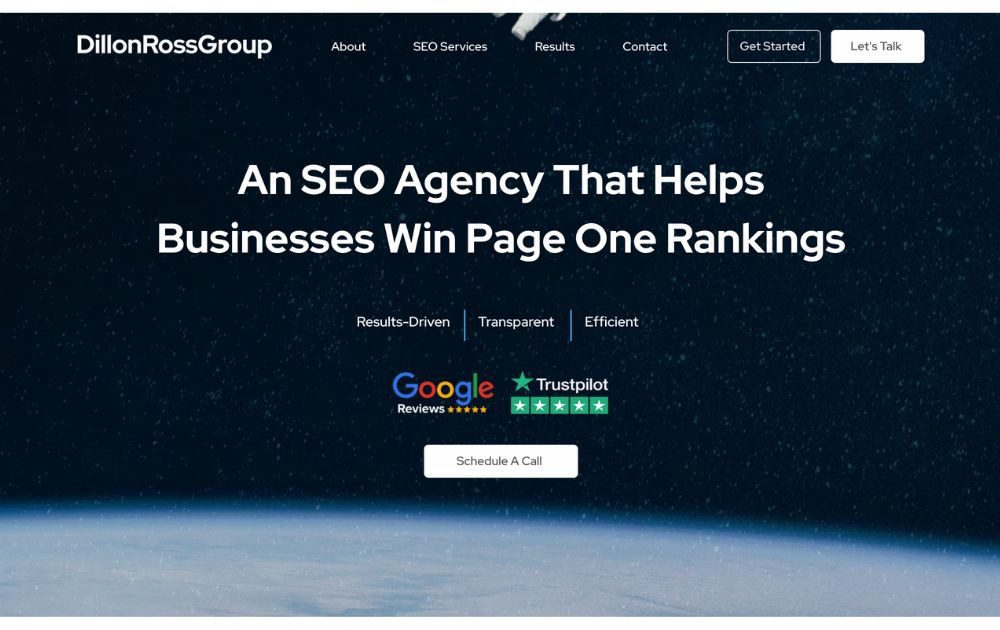
Dillon Ross Group in East Hanover, meanwhile, is an agency focused on search engine optimization. If you’re trying to step up your Google ranking and online visibility, this agency is worth considering.
Pros:
- Content marketing, technical SEO
- Strategies based on research
- Link building
- Competitor analysis and keyword research
Cons:
- Focus is primarily on SEO
3. Splendor Design Group
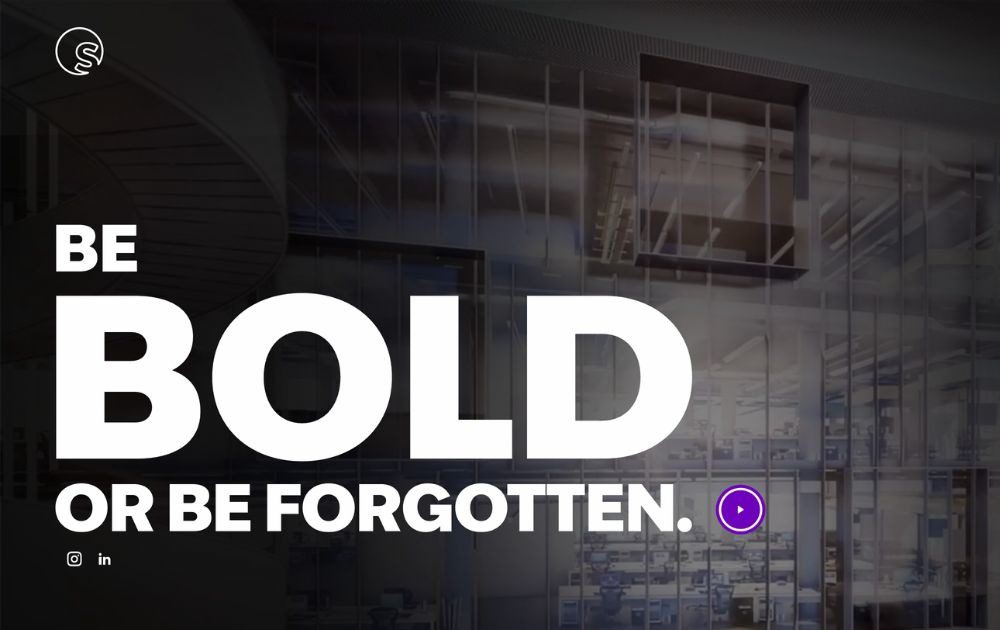
If you’re looking for an agency that can help you develop your brand from scratch, consider Splendor Design Group in New Bank. They offer digital transformation services and brand development.
Pros:
- Long industry experience
- Solutions aligned with business goals
- Competitor analysis
- In-depth marketing research
Cons:
- Not ideal for brands that only need design services
4. BNO (Brand New Outlook)
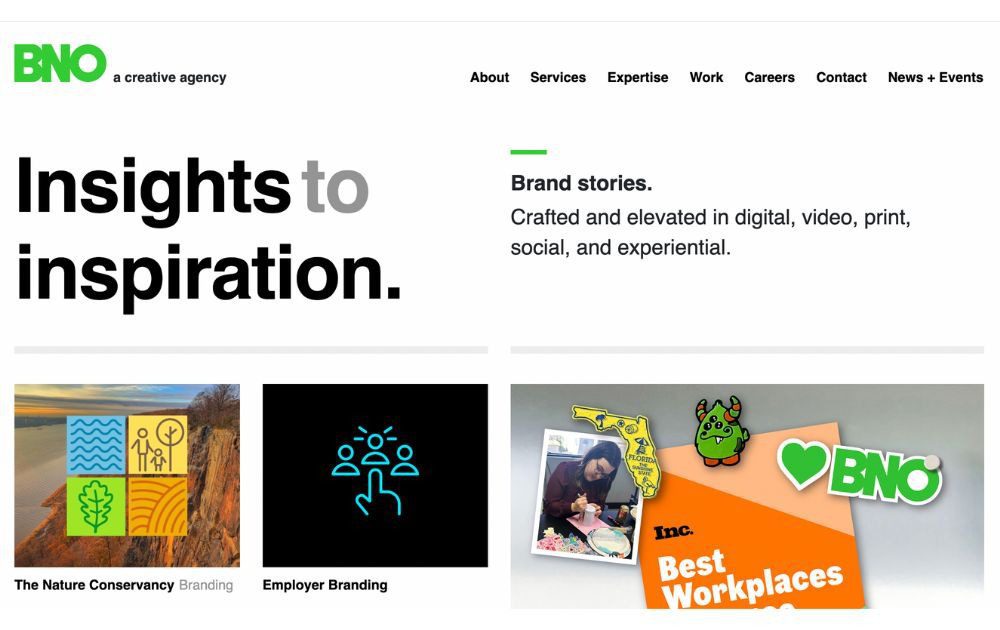
Last but not least in our options for the best design agency in New Jersey is BNO (Brand New Outlook), located in Somerville. This agency focuses on brand architecture, including rebranding services. Though most of their clients are in fintech and wellness niches, they serve all types of brands from various industries.
Pros:
- High-quality creatives for enterprises
- Brand strategy based on research
- Vast experience in packaging design
- Best for launching brands or products
Cons:
- Premium rates
- Longer timelines
Featured Image Credit: Photo by Pavel Danilyuk from Pexels


TLDR: The real challenge for agencies isn’t managing talent costs but ensuring efficient throughput. Success in design services depends on streamlined processes, quick turnarounds, and managing multiple projects at once.
In the agency world, the conversation surrounding profitability almost always circles back to one metric: talent. Founders and operators meticulously calculate billable hours, analyze utilization rates, and fret over salary bands. The logic seems sound—if people are your product, then the cost of those people must be your biggest expense. However, this traditional view overlooks a more insidious cost that bleeds revenue silently: throughput. This is the real hidden cost of agencies.
Throughput is defined as the rate at which an agency completes and delivers projects over a specific period. It is distinct from activity. A designer can be “busy” for 40 hours (high utilization) yet deliver zero finalized assets due to internal friction (low throughput). When agencies focus solely on hiring the best talent without optimizing the flow of work, they create expensive bottlenecks. The talent is present, but the value is trapped.
The real constraint on growth is rarely the inability to hire; it is the inability to ship. When the flow of work stagnates, margins erode not because salaries are too high, but because the revenue realization cycle is too slow.
The Agency Bottleneck Breakdown
To understand why throughput is a costlier problem than talent, one must look at where work actually stops. In many agencies, the “production” phase is relatively fast. A talented writer can draft a blog post in three hours. A senior designer can mock up a landing page in an afternoon. The delays—and the associated costs—accumulate in the spaces between the work.
The Approval Trap
The most common throughput killer is the approval cycle. Work sits in a queue waiting for a creative director or a client to review it. During this time, the asset is “work in process” (WIP). In manufacturing, WIP is considered a liability because it ties up cash without generating revenue. In agencies, WIP ties up mental bandwidth.
When a creative team member has to switch contexts because their primary project is stuck in approval, they lose efficiency. Every time a project stalls, the agency pays a “context switching tax” to get that talent refocusing on something else.
The Rework Loop
Rework is often treated as a quality control necessity, but operationally, it is a failure of throughput. Every hour spent revising a project that was briefed poorly or executed without clear guidelines is an hour that cannot be billed to a new initiative.
If an agency’s rework rate is 30%, it effectively means that for every ten hours of talent purchased, only seven are productive. Hiring more expensive talent rarely solves this; better systems do.
Creative Inconsistency
When processes are not standardized, every project becomes a reinvention of the wheel. If one art director organizes files differently than another, or if brief structures vary from account to account, the friction reduces the velocity of the entire team. Inconsistency makes it impossible to predict timelines accurately, which in turn makes resource planning a guessing game.
The Evidence: Why Flow Matters More Than Headcount
Operational studies in service industries consistently point to “flow” as the primary determinant of profitability. When flow is obstructed, adding resources (hiring more people) often exacerbates the problem rather than solving it. This is known as Brooks’ Law in software development: “Adding manpower to a late software project makes it later.” The same applies to creative agencies.
Agency leaders often report that their teams feel overworked despite financial reports showing they should have capacity. This disconnect occurs because the team is burdened by the friction of the process, not the volume of the creative output. They are spending energy pushing work through a clogged pipe rather than creating.
From an operational perspective, a system that allows a junior designer to ship five assets a day is often more valuable than a system where a senior designer ships two assets a week due to administrative drag. The cost of the senior talent is higher, but the throughput is lower, resulting in a significantly higher cost per unit of output.
Systems That Improve Throughput
Improving throughput requires a shift from managing people to managing work. It demands structured, predictable processes that reduce ambiguity and keep projects moving.
Standardizing Inputs
Throughput problems often begin at the input stage. If briefs are vague, the output will inevitably miss the mark, leading to rework. Agencies that implement rigid briefing standards—where work cannot begin until specific criteria are met—often see a dramatic increase in delivery speed. It seems counterintuitive to add a barrier to starting, but clean inputs lead to clean outputs.
Decoupling Creative from Administration
High-throughput agencies separate the act of creating from the act of managing. When creatives are forced to manage their own client communications, file uploads, and scheduling, their creative throughput plummets. Specialized roles or automated tools that handle the “operations” of the project allow talent to stay in a flow state.
Utilizing On-Demand Resources for Overflow
One operational strategy agencies use to maintain throughput is the integration of flexible resource layers. When internal teams are at capacity, the flow of work typically stops, creating a backlog. To prevent this, operationally mature agencies often utilize on-demand services to handle routine execution or overflow.
This is where platforms like Penji fit into the ecosystem. Rather than pausing new client work while waiting to hire a full-time employee—a process that can take months—agencies use on-demand subscriptions to immediately offload production tasks. By routing overflow work to an external resource, the internal team maintains its focus on high-level strategy, and the agency maintains its delivery cadence. It is a decision based on preserving flow rather than just filling a seat.
Rethinking the Operating Model

The shift from talent-centric to throughput-centric thinking changes how an agency invests. Instead of solely increasing the payroll budget, leadership begins to invest in asset management systems, automated project management workflows, and clearer operational hierarchies.
The goal is to create a machine where the talent is the engine, but the chassis—the operations—is built for speed. When throughput is optimized, talent burnout decreases because the frustration of “stalled work” evaporates. Clients are happier because delivery is predictable. And most importantly, the agency becomes more profitable without necessarily having to charge more, simply because it wastes less.
Throughput is the hidden lever of agency growth. It is unglamorous and operational, but it is the difference between an agency that struggles to scale and one that grows effortlessly.
Frequently Asked Questions
Q1: What exactly is throughput in an agency?
Throughput is the rate at which an agency completes and delivers projects. Unlike “busyness,” which measures activity, throughput measures finished output over a specific period.
Q2: Why is throughput more costly than talent?
Talent costs are visible fixed costs that are budgeted for. Throughput inefficiencies are invisible variable costs that drain revenue through delays, non-billable rework hours, and lost opportunity costs.
Q3: How do agencies measure throughput?
Agencies measure throughput by tracking project completion rates, turnaround times per asset, billable utilization versus actual delivery, and adherence to client delivery timelines.
Q4: What are the biggest causes of low throughput?
The primary causes are inefficient workflows, lengthy approval cycles, unclear project briefs, poor communication, and a lack of standardized processes (over-customization).
Q5: How can agencies improve throughput without cutting talent?
Agencies can improve throughput by investing in automation, streamlining approval processes, balancing workloads with on-demand resources, and building a culture that values operational discipline as much as creative excellence.

What’s the Best Logo Design Agency in Florida?

What’s the Best Logo Design Agency in Texas? Here’s How to Choose

Here are the Best Design Agencies in New Jersey in 2026

The Biggest Hidden Cost in Agencies Isn’t Talent — It’s Throughput

The ‘Boring’ Internal Upgrade Behind Many $100M-Scale Companies

What’s the Best Logo Design Agency in Chicago?

The Software As A Service Business Model Explained

OpenStudio – Business Management All-In-One

Top 10 Email Marketing Software Modern Businesses Need Today
The Software As A Service Business Model Explained

Top 10 Artificial Intelligence Solutions Your Business SHOULD Use

The Biggest Hidden Cost in Healthcare Isn’t Staff Time. It’s Operational Friction.

5 Quiet Operational Leaks Costing Fortune 500s Millions

The Biggest Hidden SaaS Cost Isn’t Ads—It’s Post-Click Execution
 Uncategorized3 days ago
The Biggest Hidden Cost in Agencies Isn’t Talent — It’s Throughput
- Uncategorized3 days ago
Here are the Best Design Agencies in New Jersey in 2026
- Uncategorized3 days ago
The ‘Boring’ Internal Upgrade Behind Many $100M-Scale Companies
- Uncategorized3 hours ago
What’s the Best Logo Design Agency in Texas? Here’s How to Choose


