Business
What’s the Best Design Agency in California? Our 4 Top Picks
Published
5 hours agoon
By
Carmen Day
Looking for the best design agency in California is no easy feat. Aside from looking at each agency’s creative prowess, users also need to pinpoint their goals, budget, and unique needs to ensure that the option they choose is the best fit.
If you’re looking for the best design agency in California and don’t know how to filter options, you’ve come to the right place! We rounded up the top four options and the type of client who can make the most out of their services. You’re welcome!
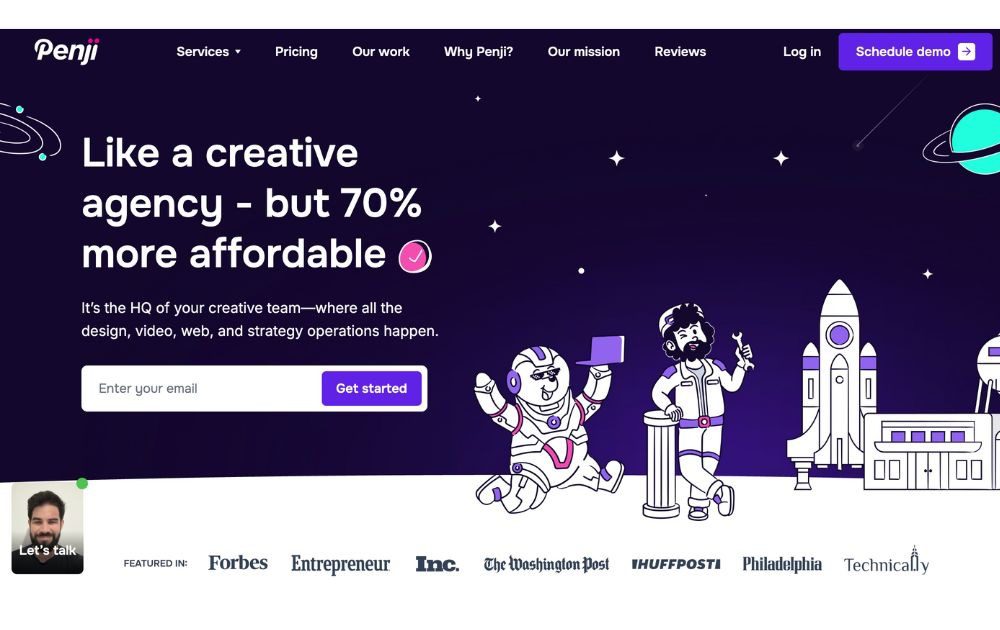
1. Penji

Best for: Growing brands across various niches, high-volume design
If it’s your first time working with a creative agency, Penji is an ideal service provider that can offer you the best creative services in the simplest way possible. Offering unlimited graphic design at a flat monthly rate, this company only hires the world’s top 2% designers who are well-versed in all things related to design, including logo statistics.
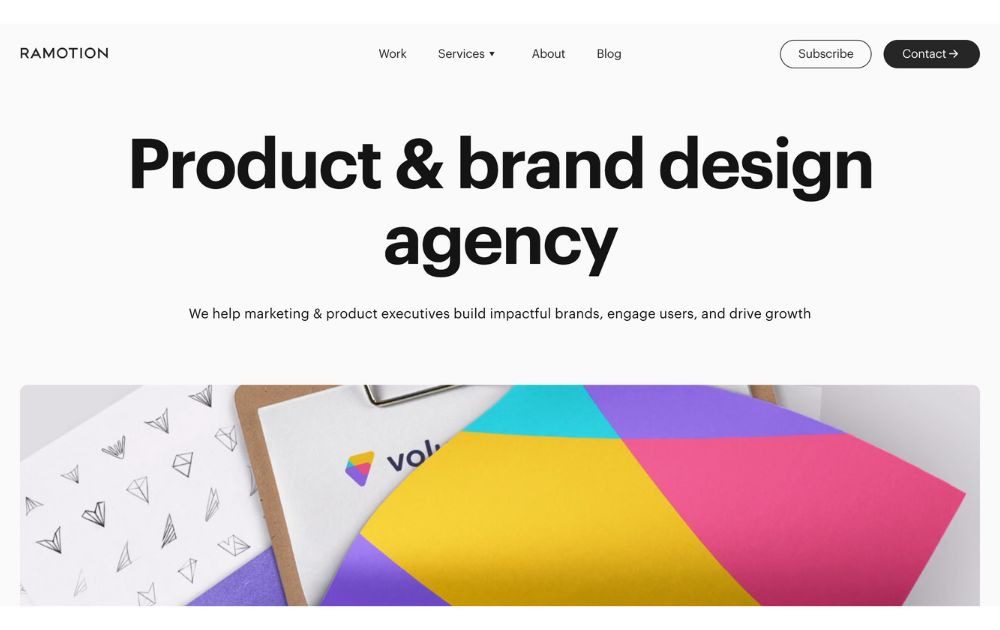
2. Ramotion

Best for: Startups and tech companies
A well-respected agency in the tech industry, Ramotion takes pride in offering SaaS product design as well as UI/UX for both web and mobile. Ramotion is a go-to agency for startups that need creative support for their digital-first products as well as improvements in usability.
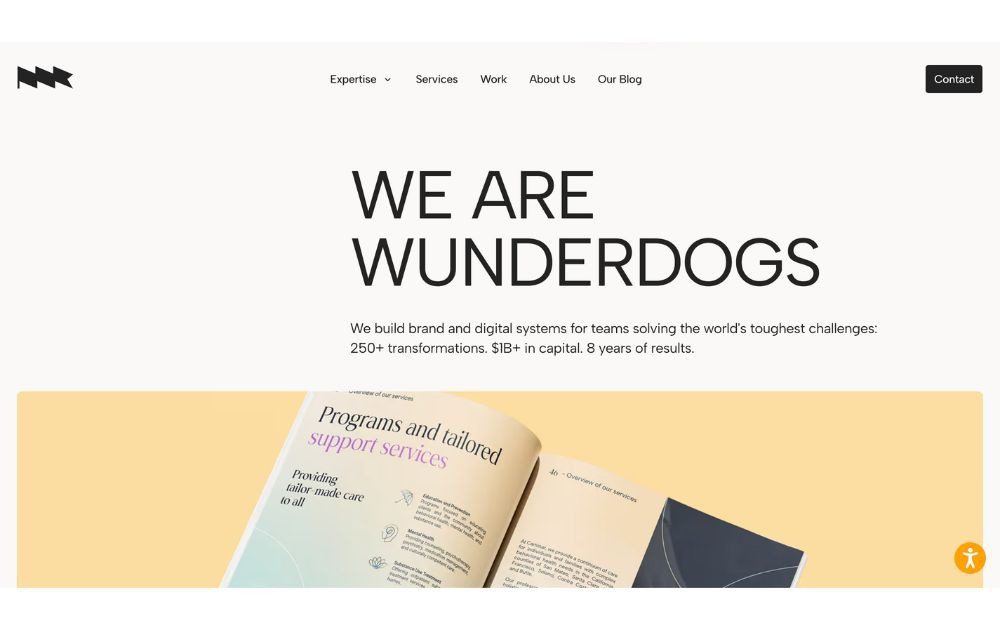
3. Wunderdogs

Best for: Brand storytelling and venture-backed organizations
Wunderdogs, meanwhile, is an award-winning agency known by clients for its work grounded in creative narratives. Catering to B2B ventures, digital brand platforms, and just about any client with a strong focus on marketing, Wunderdogs takes storytelling seriously, and their work and accolades prove it.
4. Clay

Best for: Enterprise digital brands
Last but not least is Clay, considered by tech giants as the best design agency in California. This agency provides strategy-driven campaigns for the world’s top brands, but its premium services also come at a premium rate, with most projects starting at $100,000.
Featured Image Credit: Photo by fauxels from Pexels
You may like

Any entrepreneur that’s just starting out will tell you that one of the most difficult things you need to face is the challenge of reaching and retaining customers. Marketing a new product can be a costly and time consuming task, which are some things many entrepreneurs do not have. Business marketing is basically the process of letting your customers know about your product. Small businesses and startups generally do not have the luxury of outsourcing their marketing needs to the professionals. But instead of waiting around for your product or service to get noticed, there are things that you can do to promote your business and drive business to your door. Here are great examples of marketing practices that don’t require you to burn through your valuable resources.
Local Awareness
Start educating your customers by starting locally. Get local news coverage and build a website. Starting small can help increase name recognition early and educating customers about your business will help with customer acquisition. Many big businesses will not shy away from hiring expensive business marketing agencies and public relations firm. However, small businesses and startups can get a start with simple DIY PR.
Start by doing research on your local paper. Know which writer covers local businesses. Once you know who’s in-charge, get to know them and create a pitch around your business to pique their interest. For example, you’re a local web design company. Explain how your business will impact the local economy and how other businesses in the area will benefit by subscribing to your service.
Be Present In Social Media
Social media is not just about reconnecting with your old high school buddies. If leveraged correctly, social media can become a powerful and affordable business marketing tool. You can maintain identities in all social media platforms or a select few. Whichever you choose to establish a presence, be present and active. According to a study conducted by Mashable and their webcam eyetracking study, Facebook users spend the most time looking at a brand’s wall compared to other elements on the page. Being active on social media allows you to engage your customers better. Better engagement allows you to be on top of your brand while encouraging positive reviews and dealing with negative ones.
Using social media also gives you the platform to provide your customers with something useful, sharable and interesting. Start with a few posts per week to know your audience and understand who is using your content. Once you find out what they want, you can ramp up your efforts.
Use Your Customers
Satisfied and happy customers are the best business marketing tool. You can make personal connections with brand advocates and turn this into a mutually beneficial relationship. For example, you can pitch you business to a well-known writer. In exchange for your services or products, the writer will mention you in his or her blogs. This tactic can lead to a stronger relationship between you and your customers. Once you have an army of satisfied customers telling other people about your product, you can save a lot of money on PR and marketing because happy customers will be very glad to tell other people about your product.
According to marketing experts, a customer singing your praises to other people is the cherry on the icing. This is free marketing at its best. When you take care of your customer, they can take care of you by telling their friends about your product. However, this is the tricky part. You need to keep them happy and build a brand they can trust. If they don’t trust you and are not happy, they will not endorse your product to other people.
Marketing is a sensitive but vital part of a business’ growth. If you have a new startup you probably have not broken even yet. This is the time to be extremely smart about your marketing budget. Frugality is a skill many new entrepreneurs need to learn and by looking for smart and affordable ways to market your business, you are cultivating a habit of wise spending. The marketing strategies outlined above require little time and money. However if they are done correctly, they can be successful without draining your precious funds.
Business
How to Determine Which Social Network Is Right For Your Business
Published
4 days agoon
January 23, 2026
Often times startups hop on every major social network to look “present,” but fail to keep up with all of their accounts. Sometimes being present online, but failing to be consistent on your profiles is worse than not having a social account at all. Imagine a customer browsing your website, and they decide to hit the “Facebook” icon to like your page so that they can stay updated on your sales. As they are linked to your company’s page- they see posts from 2014. They will start questioning how legit your business is or if your business is still active. You could seriously lose a potential customer! Keeping up to date with a company page is a lot of work, and you can’t afford to be on every single social media platform. You need to understand which network (or networks) fits the best for your business, and focus on that.
Facebook: The Universal Hub
Let’s start with Facebook. Facebook has over 1 billion monthly users worldwide- and 73% of the US adult population, which means that you can basically reach consumers in every industry. It is a great place to start to test your social media campaigns. Facebook is best for building brand awareness, staying familiar with your current customers, and grabbing the attention of potential customers. To have a Facebook profile, you need to stay committed to posting at least once a day, with high quality content (pictures and videos do a lot better than plain text). Although Facebook does work for B2B businesses, it is where the B2C business truly shines. But, regardless of the industry or the size of your demographics, you will most likely be able to bring exposure to your company and establish a true community around your brand. Facebook is the only social media platform you should be on no matter what field you are in.
Twitter: The Real-Time Conversation
The second most talked about social media network is Twitter. Twitter has 230 million monthly users- and on this platform the users have a higher tendency to follow brands than any other network. Twitter is most popular with young adults ages 18 -29, living in very popular urban areas. Twitter is best for building brand awareness, release breaking news, building relationships with customers and influencers and for handling public complaints (users tend to vent on Twitter). The types of businesses that do best on Twitter are: musicians/influencers, publications, news organizations, marketing companies, and sports related businesses. To have a Twitter profile, you must post a few times a day, and you should be interacting with your industry’s community.
Instagram: The Visual Storyteller
Instagram is becoming one of the fastest growing networks, and brands are getting so creative with their marketing strategies! Instagram has over 500 million monthly users- most are female, younger than 35, living in urban areas. According to Forrester Research- Instagram users were 58 times more likely to engage with brands compared to Facebook and Twitter. Instagram is best building brand awareness, interacting with customers and influencers, staying familiar with existing customers, and grabbing the attention of potential customers. Instagram is usually best for B2C companies, but users are slowly moving from Facebook and Twitter into Instagram so that may change soon for the B2B world. The types of businesses that do best on Instagram are: fashion brands, retailers, Etsy shops, bloggers, home décor brands, active/sports/fitness related. On Instagram, visual storytelling is an art form, so brands need to be willing to post consistent high quality content and able to engage with followers regularly.
Pinterest: The Inspiration Engine
Another fast growing network is Pinterest. It use to be just for moms looking for recipes, brides looking for wedding décor, and new parents looking for baby advice, but it has evolved into much more. Pinterest has over 110 million monthly users. 73% of users are females between the ages of 18-50. Pinterest is best for driving referral traffic back to your blog, video, or store. Pinterest is best for B2C businesses whose niche is: cooking, arts and crafts, clothing/fashion, baby items, home décor/design, event décor, or gift items. This is a goldmine for creative industries as you can communicate directly to the customer. Since users are constantly “repining,” you may receive free marketing from fans that repin your image to their followers. To have a business Pinterest profile, you must be ready to update it every time you post a blog, throw an event, or have a new item in stock. People want easy, digestible content like infographics, quotes, blog title graphics, close ups of décor, outfit ideas, etc. Make sure to title your picture appropriately, write a relevant description that has relevant keywords, and link it back to your website.
LinkedIn: The Professional Network
LinkedIn is the only social network that is specifically for B2B companies. It was designed for educated professionals looking to advance their careers and stay well connected within their industries. LinkedIn has over 106 million monthly users, both male and female ranging in ages 25-64. Most users have a bachelor’s degree or higher. LinkedIn is best if business development is a core focus. It is a great tool to build brand awareness, promote career opportunities, and educate potential customers on your products and services. To have a LinkedIn company page, you must be ready to update it a few times a week sharing company updates, content that relates to your industry, and interact with industry related groups. Unlike most social media networks, LinkedIn is the place where everything you communicate should be professional.
The Verdict: Where Should You Start?
To determine which social network(s) is right for your business, finish this sentence: “My target audience is on _________.” The next step is getting started on the one or two best options. Once you get the hang of it and create a community of followers, you can move on to adding another social media platform to your list. Whatever you choose, just be sure to be consistent in posting high quality content. You NEED to be active on social media if you want to have a successful business. The beauty of social media is that it is FREE marketing. It may take a few months of dedication of working on your profile, gaining followers and building your engagement. But if you apply the right tactics, overtime you will see an increase in awareness of your brand and interest in your product or services.
And for other articles, read more here at Owner’s Mag!

Business
Here’s How You Can Scale Your Business Beyond a 7-Figure Revenue
Published
4 days agoon
January 22, 2026
With the right attitude, courage, and determination, many business owners have proven that achieving a 7-figure revenue is more than possible. However, they can also tell you that going beyond that is where the difficulties start. Here are seven steps to help you scale your business:
1. Leverage Your Unique Selling Point
Ask any seasoned entrepreneur, and they’ll tell you that establishing a unique selling point is essential. It is what will make you cut through all the noise and make your business more agreeable to consumers. Having made the 7-figure mark can mean that you already have this.
What you can do is improve on it. Better product development or superb customer service may be the keys, but it’s more than that. With so many competing for customers’ attention, it pays to have a specialization that can target a smaller market but can pay off so much more in loyalty.
2. Optimize, Optimize, Optimize
A big part of how to scale your business beyond the 7-figure mark is by optimizing every aspect of it as much as you can. This does not necessarily mean gathering more resources or spending more on advertising. The operative word here is optimization.
Take your website to the highest level by optimizing it. Take a closer look at your lead generation strategies and optimize them. Get insights for your sales conversion and create marketing strategies never tried before.
3. Focus on Lead Generation
While maintaining a certain quality level for your business is important, lead generation should always be on your top to-do list. Never take it for granted, and use every available means to generate more. Whether it’s outbound or inbound marketing, make sure that you focus on generating new leads.
Ensure that potential customers get sufficient information about your brand to have them think of you when the need arises. Better yet, create strategies that would make them want and need your services even before this need comes.
4. Get the Most From Sales Conversions
Take a deeper look at your sales conversions and study what happens down the funnel. This way, you can determine what’s working and what’s not. You can then adjust your conversion strategies accordingly. This will help boost lead generation and customer conversions without increasing your acquisition expenses.
While many think that lead generation is the only way to increase revenues, finding out what causes conversions to happen can be crucial. Knowing what stops a customer from buying allows you to nip it in the bud and find ways to purchase.
5. Know Your Customers’ Worth
Provide value to your customers by knowing their worth. This will help you understand what you need to do, acquire, and spend time on. Don’t just focus on bringing in the new customers, aim your attention at your loyal customers.
You can always look at opportunities for upselling, down-selling, and even cross-selling. These are very useful if you want to increase your customers’ lifetime value.
6. Get Busy with Triple-Win Partnerships
Business-to-business plays are advantageous, so use them when you can. Build relationships with companies that you work with. The following are what you can reap when you enter into these triple-win partnerships:
- New customers
- The partners get commissions
- The referred person receives a discount, bonus, or benefit
7. Have a Referral Program in Place
If you still don’t have one, create a referral program for your business. This will make selling easier and faster for you without spending a ton of extra cash. Let your fans and customers do it by offering them perks when they get referrals.
You can set up a system that gets those who refer incentives such as cash, discounts, gifts, and many more. This will get you new solid leads as the referrals come from customers who like your products or services.

What’s the Best Design Agency in California? Our 4 Top Picks

How To Do Business Marketing For Free

How to Determine Which Social Network Is Right For Your Business

Here’s How You Can Scale Your Business Beyond a 7-Figure Revenue

Know These Logo Statistics and Facts to Grow Your Business

What’s the Best Design Agency in Las Vegas?

What’s the Best Design Agency in Florida

170 Web Design Questions to Ask Your Clients

How to Determine Which Social Network Is Right For Your Business

Know These Logo Statistics and Facts to Grow Your Business

How To Do Business Marketing For Free

How You Can Effectively Beat the Fear of Starting a Business

Here’s How You Can Scale Your Business Beyond a 7-Figure Revenue

What’s the Best Design Agency in Boston? Expert Picks for 2026
Trending
- Business4 days ago
How to Determine Which Social Network Is Right For Your Business
- Business4 days ago
Know These Logo Statistics and Facts to Grow Your Business
- Business16 hours ago
How To Do Business Marketing For Free
- Business4 days ago
Here’s How You Can Scale Your Business Beyond a 7-Figure Revenue
- Business5 days ago
What’s the Best Design Agency in Las Vegas?
- Business5 days ago
What’s the Best Design Agency in Florida