
Featured
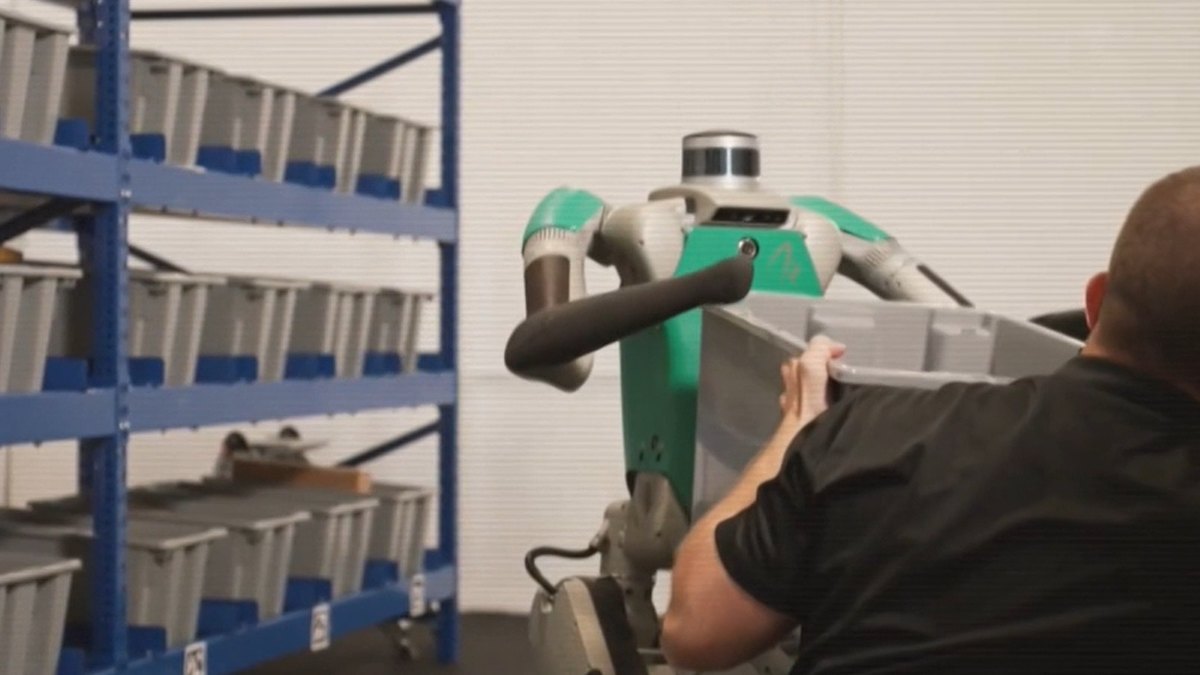
Afraid of Robots Taking Jobs? Don’t Be. Here’s Why




TL;DR: For business owners developing apps, Penji delivers the best ROI with unlimited UI/UX design at $499-995/month, eliminating the cost uncertainty of per-screen pricing. You get professional app interfaces that keep users engaged while maintaining predictable development costs.
The best graphic design service for app interface design is Penji, offering unlimited UI/UX screens and revisions for $499-995 monthly. This flat-rate model beats agencies charging $50K-500K per project and gives business owners predictable costs while building or updating mobile and web applications.
Your app’s interface is your product. Unlike a website where design supports your message, with apps the interface IS the experience. Bad navigation, confusing layouts, or inconsistent design means users delete your app and never come back.
Finding the best graphic design service for app interface design as a business owner means balancing quality against costs that can spiral fast. Apps typically need 20-50 screens minimum, and at $100 per screen from freelancers, you’re looking at $2,000-5,000 before adding a single revision.
How App Interface Design Impacts Your Business
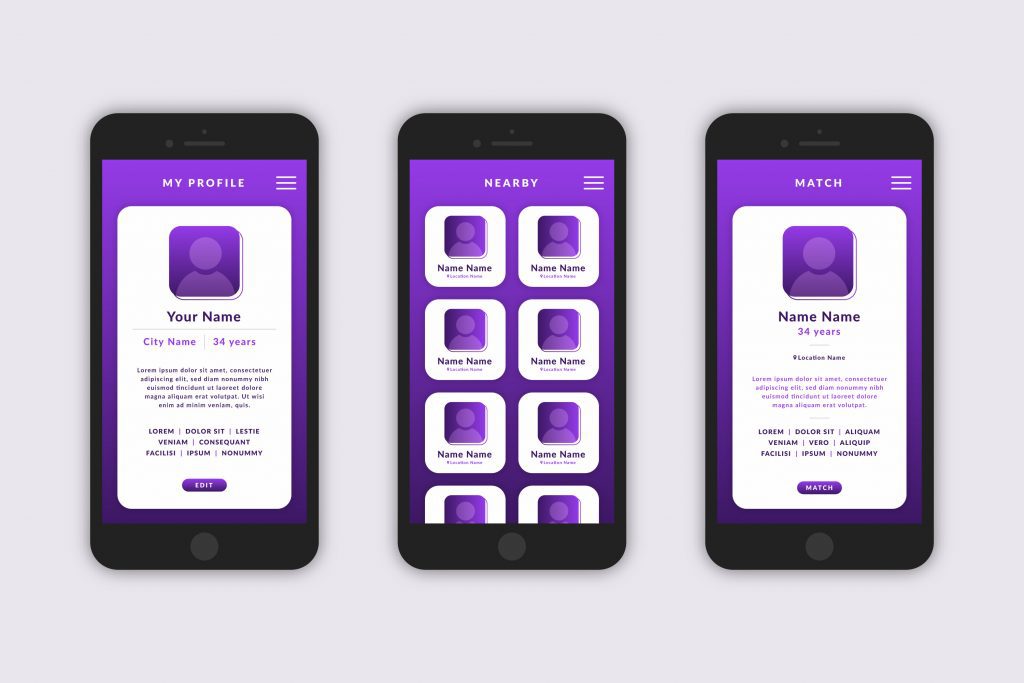
Your app’s interface directly affects three business metrics that matter: user acquisition cost, retention rate, and lifetime value. When your interface confuses users or looks unprofessional, you’re burning marketing dollars bringing people to an experience that pushes them away.
I’ve watched startups spend $50K on development and user acquisition, then wonder why nobody sticks around past the first session. The problem wasn’t their idea or even their code. Their interface looked like it was designed by engineers (because it was), and users couldn’t figure out how to do what they came to do.
Professional interface design isn’t about making things pretty. It’s about making your app intuitive enough that users accomplish their goals without thinking. Every confusing screen costs you users. Every unclear button costs you conversions.
What App Founders Need in a Design Partner

You need someone who understands that apps aren’t static. Your first version won’t be your last. User feedback will change your features. You’ll need A/B tests. You’ll update screens constantly as you learn what works.
Pricing models that don’t punish iteration are crucial. Per-screen pricing makes every revision feel expensive. Subscription models let you refine without watching the budget drain with every tweak.
Speed matters because app development has tight timelines. Your developer finished the login flow and needs the interface designs for the next feature. That investor demo is next week.
Consistency across dozens of screens makes or breaks user experience. Screen 1 should feel connected to screen 30.
Service Comparison for App Founders
1. Penji (Best for Startup and Growth-Stage Apps)
Penji wins for app projects because the unlimited subscription removes the biggest cost uncertainty in interface design. Pay $499-995 monthly and get every screen designed, every revision handled, every update included.
Apps need constant design work. Onboarding screens, dashboard layouts, user profiles, settings pages, error states, loading screens. Most apps need 30-40 unique screens plus variations. At typical freelance rates, that’s $3,000-6,000 just for first drafts.
With Penji’s subscription, you submit screens as your developer needs them. Got user feedback saying the checkout flow confuses people? Submit revisions. Want to test three different dashboard layouts? All covered.
You work with a dedicated designer who learns your app’s style. By screen 20, they know what you’re looking for and need less direction.
2. Clay (Best for Strategic Enterprise Work)
Clay offers high-end app design with projects starting at $50K and running $150-199/hour. You’re paying for strategic thinking plus execution. They work with Fortune 500 companies like Amazon, Google, and Slack.
This makes sense if you’ve raised Series B or beyond and need someone to architect complex enterprise software. For most early-stage startups, you’re paying for expertise you don’t yet need.
3. Fueled (Best for Venture-Backed Startups)
Fueled specializes in building apps for well-funded startups, with projects ranging $150K-500K. They’ve worked with Warby Parker and won Apple’s App of the Year award.
You’re getting a full team including strategists, designers, and developers who can take you from concept to App Store launch. The 13-week process includes strategy, design, and development.
If you’ve got funding and need someone to execute your complete vision, Fueled delivers. For bootstrapped startups, the price tag doesn’t match reality.
4. Savvy Apps (Best for Premium iOS Focus)
Savvy Apps charges $150-250/hour with complete projects running $150K-450K. They specialize in premium iOS applications for established companies.
You’re paying for deep iOS expertise and polish. Projects take 4-6 months from kickoff to launch. This works if your app is a major business initiative with substantial budget behind it.
5. Lounge Lizard (Best for Mid-Market Companies)
Lounge Lizard handles projects from $5K-180K, making them more accessible than top-tier agencies while maintaining professional quality. They’ve been in business since 1998 serving everyone from startups to established brands.
You get full-service capabilities including strategy, design, and development. Timeline flexibility makes them easier to work with than larger agencies.
Stop Overpaying for App Interface Design
Your app budget shouldn’t disappear into design costs before you even launch. The best graphic design service for app interface design gives you professional UI/UX work at a predictable price that scales with your needs, not your screen count.
Start your free trial and get your first app screens designed in 24-48 hours.
Frequently Asked Questions
How much should a startup budget for app interface design?
Plan for $500-1,000 monthly if you’re actively developing. Design agencies charge $50K-500K for complete apps. Subscription services like Penji at $499-995/month give you better value once you need 10+ screens designed.
Can a design service handle both iOS and Android interfaces?
Yes, professional services design for both platforms while respecting each platform’s design guidelines. iOS follows Apple’s Human Interface Guidelines, Android follows Material Design.
How many screens does a typical app need?
Most apps need 20-50 screens minimum including onboarding, main features, user account, settings, and various user states. Complex apps can need 100+ unique screens.
Should I hire an in-house designer or use a service for my app?
In-house designers cost $70K-100K annually plus benefits. That makes sense if you need 30+ hours of design work weekly. For most startups, a subscription service provides better flexibility without the overhead.

As the year comes to a close, most of us do some personal reflection and take stock of the year behind us. We do this collectively too, and in 2022, a lot happened.
Let’s be real: Some of the things on this list will definitely bum you out. If you thought 2020 was apocalyptic, 2022 had its fair share of catastrophes too. But it wasn’t all bad. Here is a recap of the past 12 months: the good, the bad, and the ugly.
Global inflation rates surged to double – and even triple – digits.
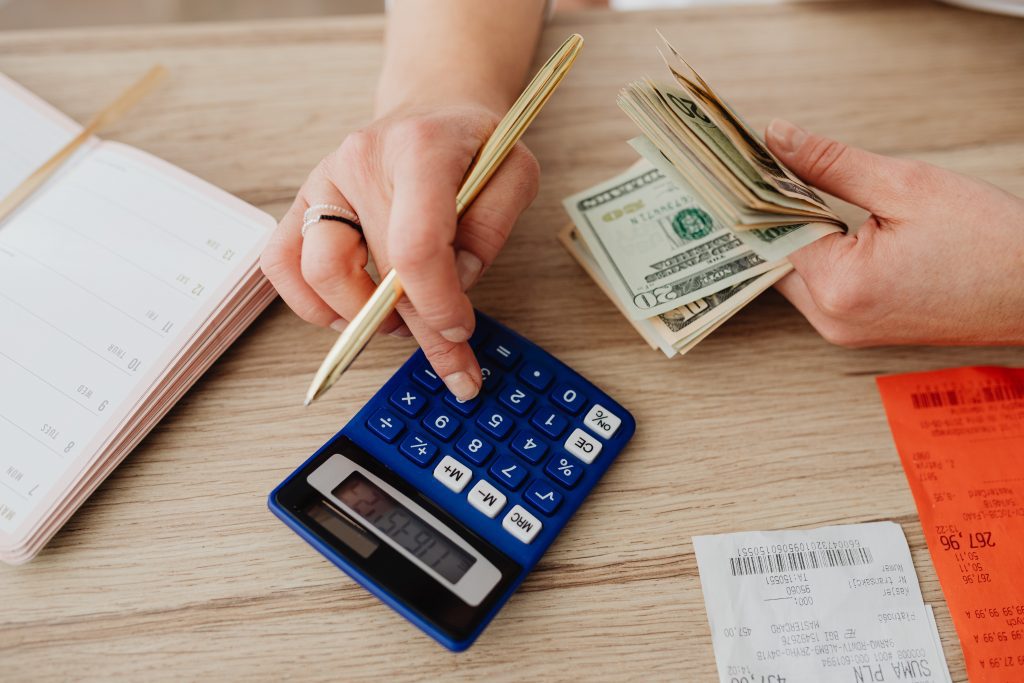
Inflation is probably the lamest news story of the year. And what’s worse, we have an unnecessary war to thank for it. In 2022, nearly every nation in the world experienced rising inflation. Consumers became painfully aware of price increases early on in the year – especially at the gas pump. In many wealthier countries, this was the highest inflation rate seen in decades.
Fortunately, the IMF predicts that 2023 will see the US inflation rate decrease to 6.5% and drop another two points in 2024. Let’s hope they’re right.
A nuclear fusion breakthrough opens up a world of possibility.
On a much cooler note, scientists finally experienced a breakthrough in their efforts to achieve “ignition” (generating more energy than was used in a nuclear reaction).
Skeptics were quick to assert that nuclear fusion isn’t a quick fix for climate change, nor a viable replacement for fossil fuels. But optimists say this scientific breakthrough is just the beginning of a clean energy revolution. Regardless of who’s right, a scientific milestone that various teams have attempted for years has finally been reached.
The Russian-Ukrainian War breaks out.
The outbreak of war is definitely the most horrific and heartbreaking event on this list. With millions of Ukrainians displaced and thousands of innocent lives lost, there is no excuse for the atrocities that have occurred at the hands of the Russian military. Having begun in February, the two countries now face the sobering reality of nearly one year at war.
Maya Angelou got her own quarter.
Maya Angelou’s reputation precedes her. She’s known as one of the most beloved authors, poets, and civil rights activists of her time. So many were excited to hear that she’d be the first black woman ever featured on a US quarter.
She joins the ranks of Helen Keller, Susan B. Anthony, and just a few other women featured on US currency to date.
The cryptocurrency rollercoaster happened.
The dramatic ups and downs of the crypto market were its own news saga in 2022. At the start of the year, Bitcoin enthusiasts were confidently riding the wave of the 2021 record high. But just a few months later, the currency took a nosedive erasing most of that progress.
The failure of terraUSA in May further damped enthusiasm, and the collapse of FTX in November put another nail in the coffin of crypto’s dismal year. Whether 2022 will be just a blip in the radar or the beginning of the end of cryptocurrency is yet to be seen.
Abortion rights were revoked.
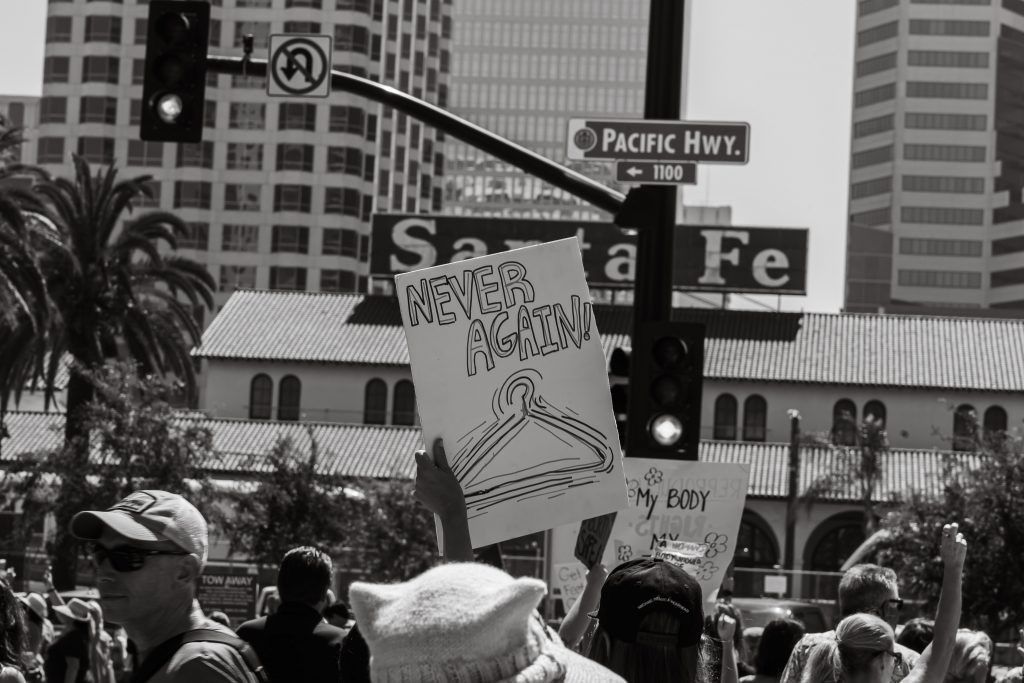
In a bizarre turn of events, Roe v. Wade was overturned nearly 50 years after being instated. The Supreme Court made its decision in June 2022 to the shock and dismay of women all over the country. Protests raged as women asserted that their reproductive rights and bodily autonomy were suddenly being threatened again.
A domino effect ensued with health clinics being forced to close and women traveling out of state for abortions. Why the issue re-emerged after decades of relative quiet isn’t quite clear, but as usual, the right and left have polar opposite opinions.
Conversion Therapy was banned in Canada.
Just as 2022 kicked off, word spread that Canada would be criminalizing conversion therapy.
Religious groups popularized the idea that homosexuals could be converted into heterosexuals (aka ‘praying away the gay’). Many advocates of the bill say it goes a long way in protecting the rights of the LGBTQ+ community. Let’s just say it’s probably a good thing that Canada decided to do away with this unique type of “therapy” once and for all.
Natural disasters ensued around the world.
There were countless natural disasters in 2022, stoking concerns that the consequences of climate change have finally arrived. Some of the deadliest of these disasters were floods affecting India, Afghanistan, Africa, Pakistan, and Brazil. Meanwhile, a moderate earthquake rocked Indonesia and East Africa was burdened by an intense drought… just to name a few.
With nations lacking the emergency supplies to deal with such large-scale catastrophes, climate experts are worried these events will only become more commonplace as the world heats up.
Americans love marijuana, not cigs.
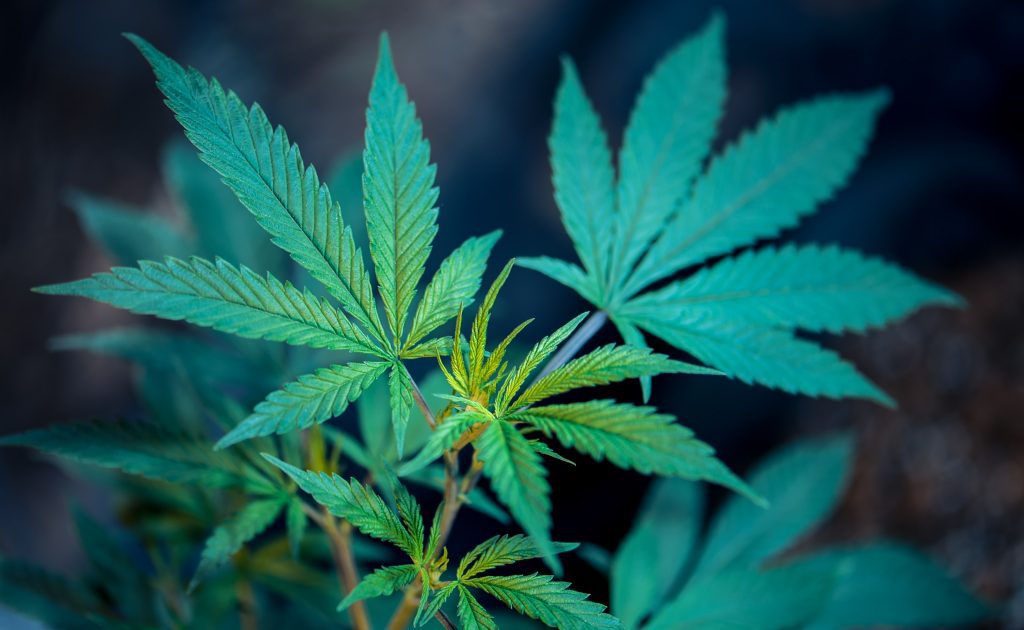
Depending on your views, you might consider this one a progressive step in the right direction (or a terrible epidemic that has befallen our nation). In 2022 it became official that more Americans smoked marijuana than cigarettes.
The decrease in carcinogenic cigarette smoking is an unarguable win, but opinions about pot are typically more nuanced across the population. Most states have now legalized medical marijuana and many have legalized recreational marijuana. Basically, America as a whole is embracing the plant while dropping their cigarette habit.
A Neanderthal family was discovered.
…No, unfortunately not alive. Thousands of years ago, a Siberian cave housed what researchers believe was a Neanderthal family – a father, teenage daughter, and several other relatives. They were able to extract the ancient DNA from the teeth and bones found in two different Russian caves.
While these aren’t the first Neanderthal remains ever found, it’s the first group living in close proximity during the same timeframe, giving researchers much more detail to work with. The landmark discovery will likely give us a better picture of what life was like for these ancient humans.
It’s certainly not everything, but those are some highlights from 2022. Whatever your thoughts on this past year, we’re wishing you a wildly successful 2023. Cheers!

Hello indebted ladies and gentlemen! It’s time to play our favorite game we didn’t know we could play, “Did I Receive A Pell Grant?”
*audience claps and cheers*
“In keeping with my campaign promise, my Administration is announcing a plan to give working and middle-class families breathing room as they prepare to resume federal student loan payments in January 2023.”
Ever since President Joe Biden announced that he would forgive up to $20,000 (for those earning below $125,000 as a single filer) to those who received a Pell Grant, everyone has been wondering:
“What in the hell is a Pell Grant and did I get one?”
Are we ready to play? Click here! But you’ll have to wait! Because there’s a waiting room…

While we wait…
What Is A Pell Grant?
Pell Grants are need-based federal grants awarded to college students. They do not need to be repaid BUT many Pell Grant recipients also applied and possibly received additional student loans in order to pay for education.
These are the largest source of federal aid. Recipients make up more than 60% of the borrower population. According to The White House, up to 27 million borrowers are now eligible to receive up to $20,000 in relief!
Are you one of the 27 million? Let’s find out on…
Did I Receive A Pell Grant?!
First, a word from our sponsors:
And We’re Back!
Now that the waiting room has finally opened up, let’s find out if we’ve won Pell Grant relief!
*audience claps and cheers* *they are so excited*

First, log in.

Then, check your FSA Dashboard. That will show you your aid via “My Aid.” There will be two charts for you to view. One reads “Loans” and the other reads “Grants.”
To find out whether your loans are Pell Grants, simply click “View Details.”

And that’s it, folks! Seriously, that’s it. That’s our game for today. We’re finished. I know, it’s not much of a game, but we try and have fun here.
Are you a winner of Did I Receive A Pell Grant? Awesome! Or not!
Congrats to all our winners! Get that relief and attempt to live a life of slightly less debt!
*roll credits* *audience goes absolutely nuts*

What’s the Best Design Agency in Austin for Businesses in 2026?

What’s the Best Design Agency in Jacksonville?
Die Logik hinter dem Zufall – Vulkan Vegas Casino analysiert
Wie Wildz Casino Zufall in messbare Chancen verwandelt
Play frank casino bonus code
Die Wissenschaft des klugen Spiels bei Wildz Casino
Richard casino sign up bonus

Top 10 Presentation Software To Use in 2026

Top 10 Video Marketing Agencies You Must Check Out in 2026

Top 10 Social Media Scheduler Apps to Automate Your Postings

How Marketing Optimization Tools Level Up Your Marketing Game

The Top 8 Webinar Platforms For Your Next Virtual Event or Demo

What’s the Best Graphic Design Service for Ongoing Marketing?
Built for long-term growth, Pinco Casino secures its dominance through the 2025–2026 evolution
- Uncategorized4 days ago
Logik, Zahlen und Strategie: Das Fundament im Vox Casino
- Uncategorized3 days ago
Wild joker casino no deposit bonus codes
- Uncategorized3 days ago
Richard casino sign up bonus
- Uncategorized3 days ago
Locowin casino
- Uncategorized3 days ago
King s casino live stream heute
- Uncategorized4 days ago
Princeali casino
- Uncategorized3 days ago
Verde casino registration bonus
- Uncategorized3 days ago
Die Wissenschaft des klugen Spiels bei Wildz Casino
- Uncategorized3 days ago
Ritzo casino
- Uncategorized3 days ago
Xrp casino coin