
Business
A Practical Guide for B2B Video Marketing for 2023

With the rise of remote jobs and virtual events in recent years, video has become a key channel for businesses to connect with potential customers. However, creating compelling video content requires a different approach than traditional B2C marketing. Let’s talk about why you should invest in B2b video marketing, along with tips, the latest trends, and strategies to elevate your video marketing strategy.
What is B2B Video Marketing?
B2B video marketing creates content specifically designed to promote B2B businesses. It fuels lead generation and engagement with a corporate audience. In the fast-paced world of B2B marketing, creating video content can take time and effort. Instead of targeting a single person, the focus can be on multiple decision-makers. This means you’ll have to convince more than one person that your product or service suits their business.
Why is B2B Video Important?

Video content marketing is surprisingly flexible. Videos are no longer considered something for training or internal sales communication. Today, they are vital for a company’s goals and objectives. So, in B2B marketing, video is the best way to build trust and impress clients. B2B video is important for the following reasons:
- Video content builds brand awareness and credibility. By creating high-quality, informative videos that showcase your company’s expertise, you can establish yourself as a thought leader in your industry.
- Video engages your audience. It can captivate your audience’s attention and keep them entertained longer than text or images alone.
- Videos can be used to demonstrate the benefits of your products or services. By showing your offerings in action, you can help prospective clients understand how they can solve their pain points.
- Video content Increases website traffic. Embedding videos on your website can help to increase website traffic. This is because videos can keep visitors on your site longer, improving your search engine rankings.
- Lastly, video facilitates sales. The footage provides informative, engaging videos that address common customer pain points. This can help you guide potential customers through the sales funnel and eventually close more deals.
Three Tips To Jumpstart Your B2B Video Marketing Strategy
The groundwork of marketing is research. Understanding the target audience and brand research helps take the tasks out of your marketing campaign. It is because a data-driven B2B video marketing strategy will allow you to serve your customers better.
1. Find your Niche
Finding your target niche, regardless of your business type, is crucial. Companies that grow quickly as specialists in a specific area when they are in the right niche. Learning how to become an industry expert requires a healthy amount of research. Becoming a specialist makes marketing much more manageable–as you know who to focus on, their needs, and how to encourage them.
2. Know your Target Market
Remember that the golden rule of marketing is knowing your target market. You’ll be lost if you don’t understand your customers’ needs. Knowing the age, location, pain points, and other factors can help develop buyer personas.
3. Define Clear Goals
A marketing campaign with clearly defined goals has greater potential for success. Identify your key success metrics, build reports to track them, and ensure the entire team works towards the same purpose.
The Common Types of B2B Marketing Videos
1. Explainer Videos
An explainer video is a short, engaging video that explains a concept, idea, product, or service in a simple and easy-to-understand manner. The video typically uses animated graphics, narration, and sound effects to convey the message.
Explainer videos are commonly used by businesses and organizations to introduce their products or services to potential customers, explain how their product works, or communicate complex ideas in a simple and entertaining way. These videos can also be used to train employees or to promote a brand.
2. Crowdfunding Videos
A crowdfunding video is a short promotional video created by a person or organization to raise funds to develop their product. The video typically tells the story behind the project, showcases the product or service, and highlights the benefits of contributing to the campaign. Some critical elements of a successful crowdfunding video include a clear and compelling pitch, an engaging story, high-quality visuals, and a call to action (CTA).
3. Launch Video
Launch videos are unique promotional content start-ups, and young companies use to showcase their products. These B2B marketing videos help set the tone for how viewers see products or services. Some key features of a launch video include a clear and concise message, a strong CTA, and high-quality visuals.A launch video can help you increase your brand’s visibility, attract new customers, and drive sales.
4. Product Demos
Product demonstration videos give serious buyers an in-depth look at a product or service’s features and benefits. This B2B marketing video type is more common when the product price is higher and the decision-making time frame is longer.
Product demo videos can be created using various production techniques such as live-action footage, animation, or a combination. They should be customized to fit the brand’s style and target audience and should be created to convert viewers into customers.
5. Customer Testimonial Videos
A customer testimonial is a promotional video featuring real customers sharing their experiences and opinions about a product or service. The video is typically used in a more extensive marketing campaign to build trust and credibility with potential customers.
Customer testimonial videos are designed to provide social proof that the product or service being offered is valuable and practical. They should be engaging, visually appealing, and effectively communicate the customer’s positive experience.
Conclusion
There you go. We’ve provided some tips and strategies for B2B video marketing. This article will help you formulate a comprehensive roadmap for maximizing the benefits of your B2B video content. We’ve also provided the most common types of video that you can adopt to maximize the impact of your B2B video marketing strategy.


Unlimited graphic design services have become the go-to services of major brands like Uber, Buffer, 7/11, and more! You can follow in their footsteps by subscribing to an unlimited graphic design service since it allows businesses to scale anytime. Plus, it offers quick turnaround times without compromising quality. Besides those, it has a money-back guarantee and lets users cancel anytime without hassle.
If you can’t pick the best service, we have your back with this comprehensive list of the best unlimited graphic design services!
Which Provider Should You Choose?
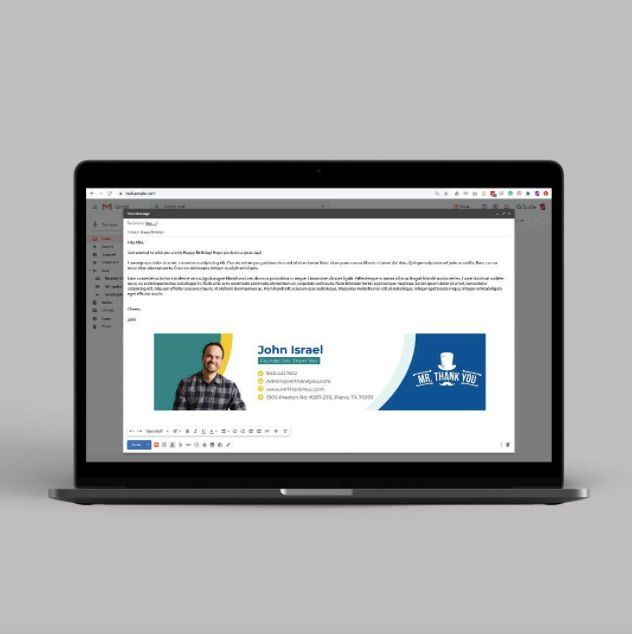
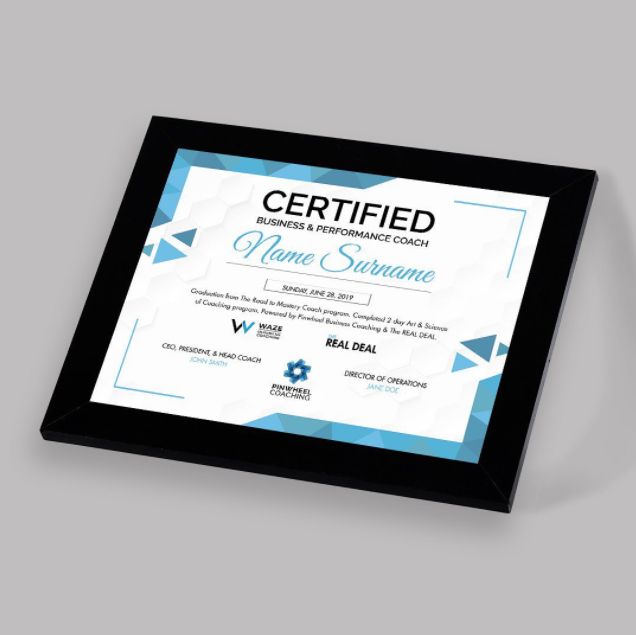
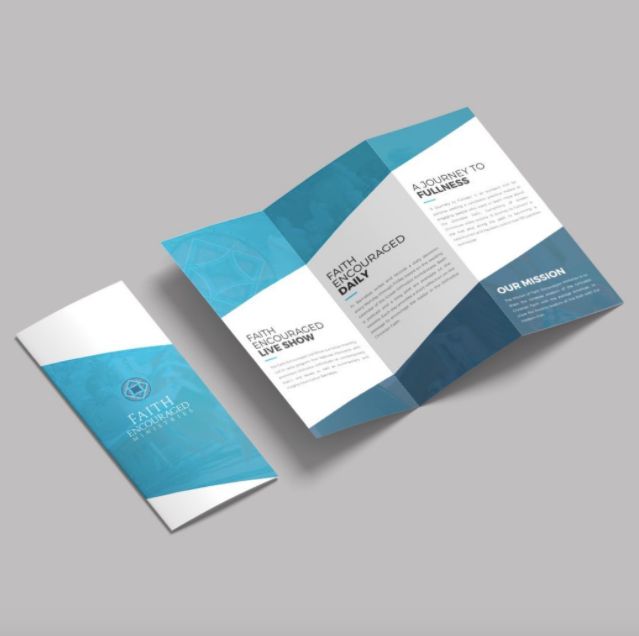
We’ve done the homework and curated a list of Unlimited Graphic Design providers for you and also negotiated special deals on your behalf. You can see them all below and decide which one fits your business based on your needs.
Unlimited Graphic Design Providers






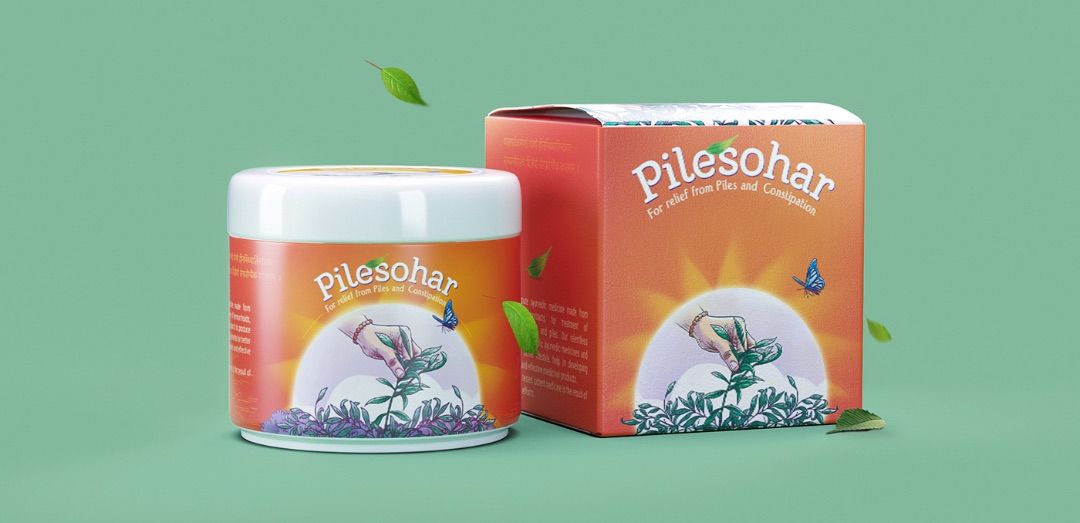
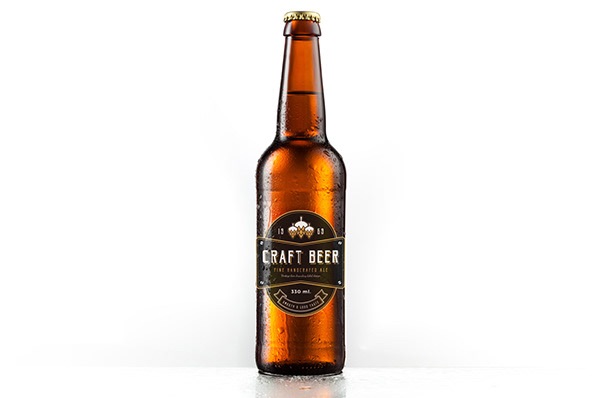
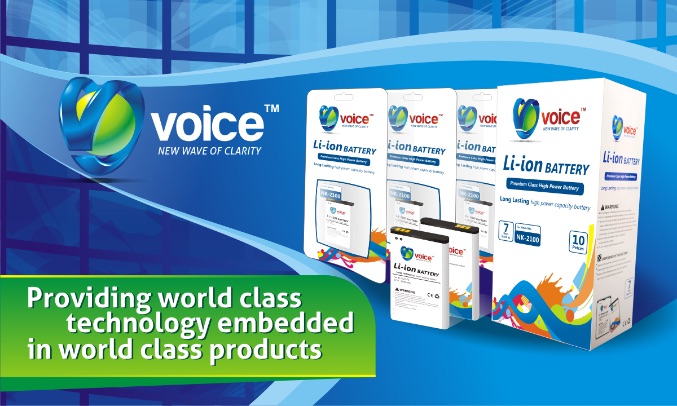




















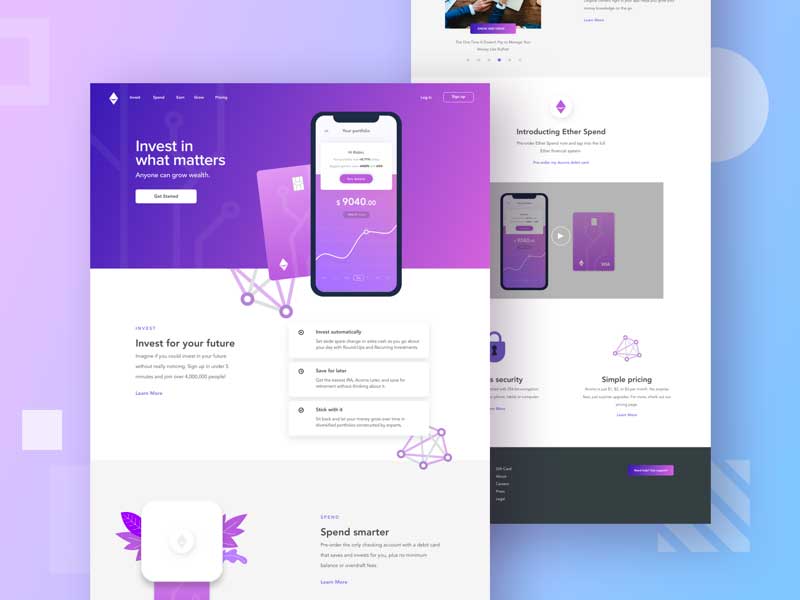
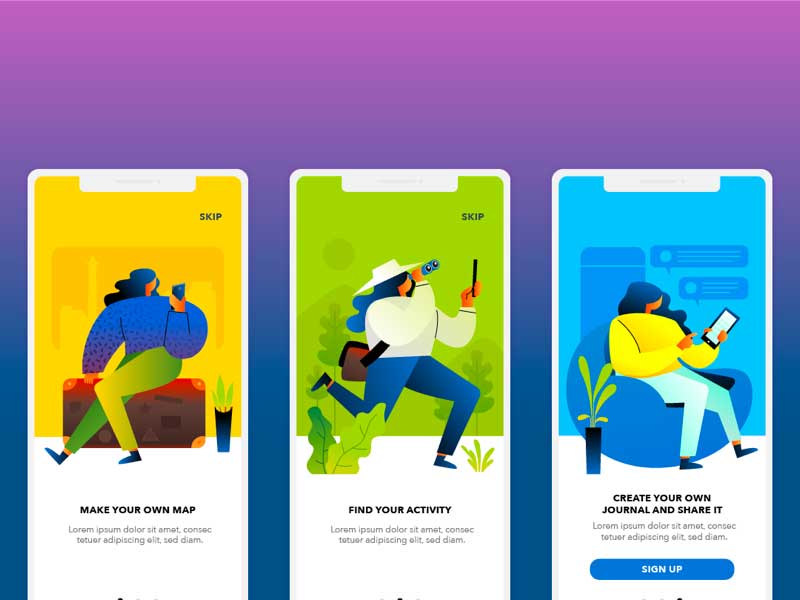
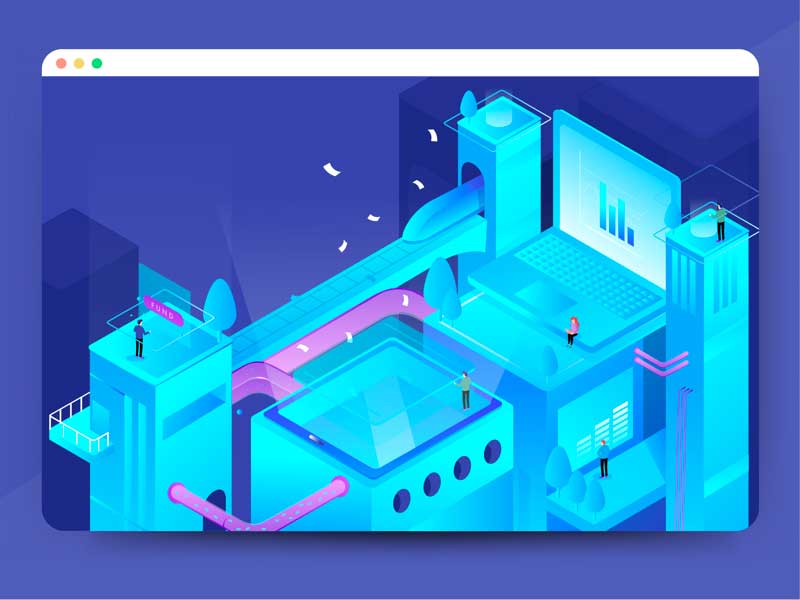
What Does Unlimited Graphic Design Mean?
These unlimited graphic design services have a monthly subscription business model. That means you can sign up and cancel whenever you like. What sets them apart from your typical freelancer, agency, or in-house designer is you gain access to a workflow that is designed to be quick and to the point.
You’ll communicate with their team through Trello, email, or an online platform. The option given is dependent on the company you choose. For example, only a small selection of services provide a custom built online platform for their customers.
Once you’re connected to their workflow, you can begin submitting as many design requests as you want. Although they all claim “unlimited”, it generally means you can “create” unlimited design requests. It doesn’t necessarily mean they’ll work on them all at once. Usually, they just work on one design at a time. When one completes, they start the next design.
The usual turnaround time is between 1 – 2 days, and that’s just for the first draft. It doesn’t mean your entire request is complete. If you don’t like it, you can request as many revisions as you want, and that will take more time. So it can take up to a week to actually get the design complete if you have a lot of revisions.
Another thing to keep in mind is content. You need to be able to have everything ready and provide all the content needed in order for their designers to get started.
How Does On-Demand Graphic Design Work?
Most graphic design services listed above offer clients a bespoke design platform. For instance, Penji’s design tool is an all-in-one platform where designers, account managers, customers, and their team members can communicate and collaborate.
Although the steps in working with a graphic design company are similar, we’ll use Penji’s design software to share the step-by-step graphic design process.
1. Log in
Once you’ve selected the subscription plan, log in to your design tool and access your dashboard. Most of these tools are user-friendly with a minimal learning curve and prioritize user experience.
This example of Penji’s dashboard shows a list and thumbnails of ongoing design projects. The menu at the top shows the Active, Completed, Drafted, and On-hold projects.
Submitting a design brief is the first step in the on-demand graphic design process. To submit, click the +New Project button at the upper right side of the dashboard.
2. Fill in the title
Think of a relevant project title that will describe the design accurately. Writing an accurate title will make browsing through ongoing projects easier once you have a long list.
For instance, if you’re creating a company logo, you can write “Logo design” and specify the company or industry beside it if you’re handling multiple brands.
3. Choose from design categories
The next step is to choose from the many design categories. Most unlimited graphic design services have around 100+ design categories. Penji has 120+ design categories. Choose one that fits your project.
4. Write a design brief
This step is crucial when working with on-demand graphic designers, as this will make or break your project outcome. Writing a thorough, clear, and well-thought-out design brief makes it easier for designers to understand exactly what you want.
Penji’s design platform has a few reminders on the left side when writing design briefs. Ensure you follow the tips for a better design outcome.
5. Attach files and images for inspiration
Some customers can’t express themselves clearly through written instructions. You can attach files and images to support your written descriptions with visuals. Attaching sample logos also helps lead designers in the right direction. Attaching your competitors’ logos is also a way to make yours better.
You’ll also need to choose the source file type in this step or let designers pick for you.
6. Choose a brand style guide
Subscribing to unlimited graphic design services means you can request any visuals for multiple brands. Penji’s design tool lets you save and categorize your brand style guides in folders. This way, you only have to choose a branding guideline for designers to follow.
Once you’ve chosen the associated brand, click the Create project button to start the process.
7. Wait 24 to 48 hours
Although most on-demand graphic design services’ turnaround is 24 to 48 hours, some companies may take more than two days. This is due to complex projects like illustrations or web pages.
Wait for the first draft and ask for revisions until you’re 100 percent happy with the design. Download the source file, and you’re good to go!
Why Should You Sign Up for Unlimited Graphic Design Services
Subscribing to unlimited graphic design services is more convenient than hiring freelance designers. Here’s why:
- Work with vetted designers and choose from various skill sets. There is no need to search for another designer fit for a particular project. The company will assign you the most suitable designer.
- No need to worry about additional fees as you only have to pay fixed monthly rates and get unlimited designs. Revisions also come at no extra cost.
- You don’t have to worry about graphic designers going MIA and abandoning crucial projects. Each design project is managed by an account manager who will check if deadlines are met on time.
- Signing up and canceling subscriptions with on-demand graphic design services is easy. You can sign up if you need a stream of designs while setting up shop and cancel anytime without incurring cancellation fees.
- Fast 24 to 48-hour turnaround, which prevents any bottlenecks in your marketing campaigns.
- Request to change assigned designers if you’re unhappy with their work at no additional cost.
- Organize your projects and brand style guides if you request multiple brand designs. The custom design platforms make managing projects efficient and convenient.
Are they worth it?
If you have a lot of design needs, they’re definitely worth it. Being that it’s a monthly recurring investment, you’ll need to make sure that you have the need for an ongoing graphic design service. This graphic design service model is comparable to outsourcing a designer yourself, except much of all the management work is done by the company. The quality of designs and turnaround time also tends to be significantly better when outsourcing a designer yourself.
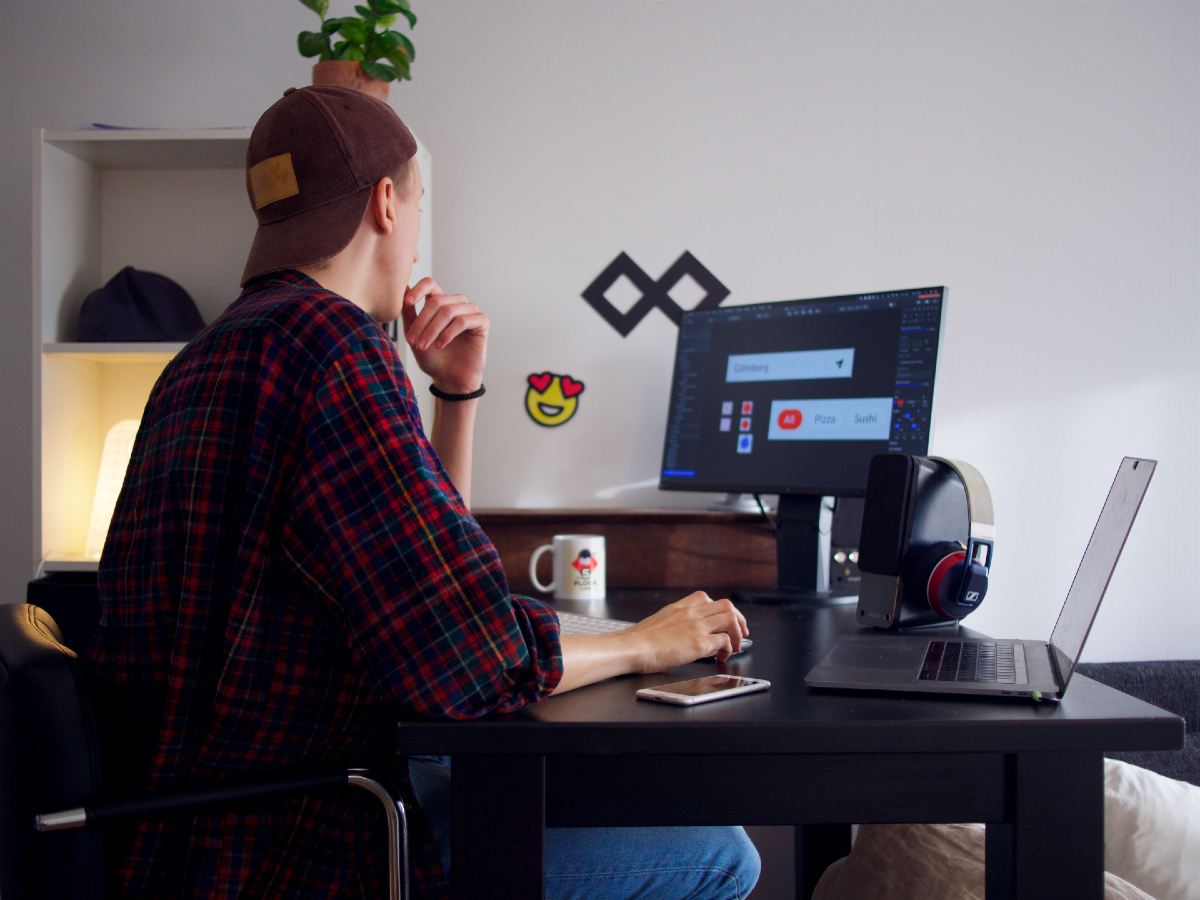
Due to the increased demand for affordable graphic design, various unlimited graphic design services has been popping up online. The graphic design industry expanded, offering more options to clients.
We can say that the scene is more competitive now than ever. However, let’s focus on Graphics Zoo for this article. We weigh in on if their services can keep up with the fierce competition in the “unlimited” section of the industry.
What is Graphics Zoo?
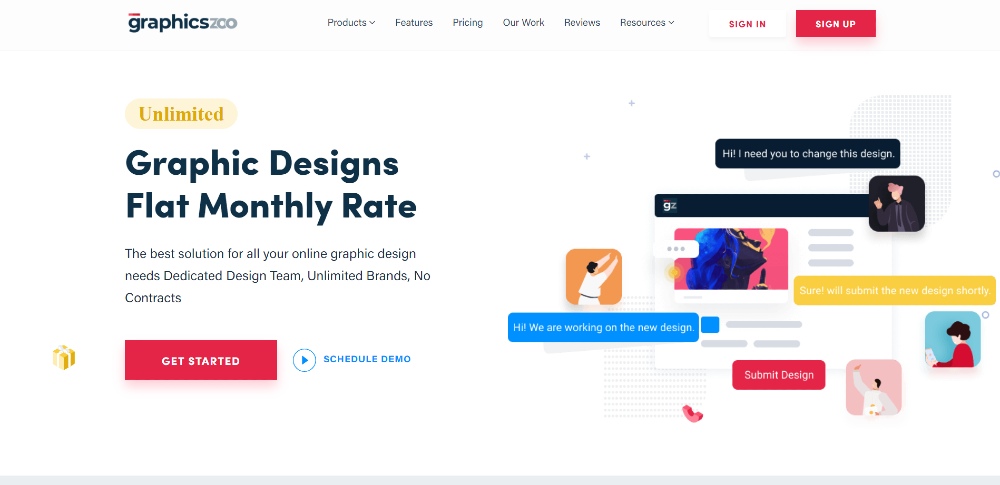
Graphics Zoo is an unlimited graphic design service that allows users to request designs on a monthly subscription. All clients have to do is create a submission with full specifications of their design requirements.
It’s also best to attach references to help designers take the creative path towards the client’s preferences. The great thing about an online graphic design service is its flat monthly rate, with no added fees for revisions.
Graphics Zoo Business Model
Unlimited graphic design is a type of business model which allows clients to submit numerous requests per account. After presenting the design preference, expect a 24-hour turnaround or more before you can receive your output. If you receive a design output that’s far from expectations, you can point out the changes you want to make for the revision. Graphics Zoo has a flat monthly rate with no contracts involved. It means you can cancel your subscription anytime without having any legal worries.
You might also like: Design Pickle VS Penji Review
Graphics Zoo’s Market
The design service is excellent for startups, bloggers, and entrepreneurs. As long as the business needs a continuous supply of custom graphic design, Graphics Zoo is worth a shot. Here are a few examples of companies that worked with Graphics Zoo:
- Enicode
- Bread of Life Inc.
- Western Rockies Federal Credit Union
- Perfect Imprints
- Green Guard
According to their website, Graphics Zoo has more than 750 satisfied customers with at least 50,000 approved projects. It’s also highly rated by their customers, earning whopping 4.9-star reviews.
Pros and Cons of Graphics Zoo
Graphics Zoo Pros
- PROOF management system
Graphics Zoo offers a robust system that provides a collaborative space for designers and clients. It streamlines the whole submission and revision process. Using the tool, the clients can click on any submitted designs to pinpoint areas that need revision. It also allows users to leave a comment to provide more instructions to the designer.
- Graphics Zoo offers a stellar project management system that allows efficient communication between both parties.
- Brand profile features add accuracy and efficiency per design project. It quickly provides the design’s purpose to designers.
- Graphics Zoo offers a comprehensive design selection across various graphic design categories.
- The ability to share one account among multiple users is helpful for most businesses.
- Excellent customer support and design project management system
- A team of versatile designers that can provide designs for any business types
Graphics Zoo Cons
- It’s possible to encounter ill-paired designers that are not fit for other project requirements. It might consume time because of countless revisions.
- You can only have one ongoing project per day. So if you’re a business with a high design output demand, you should opt for a plan with more designers.
- Graphics Zoo’s system only allows you to chat with the designers. If you’re more inclined to video calls, it might be a problem for you.
Graphics Zoo’s Pricing Plan
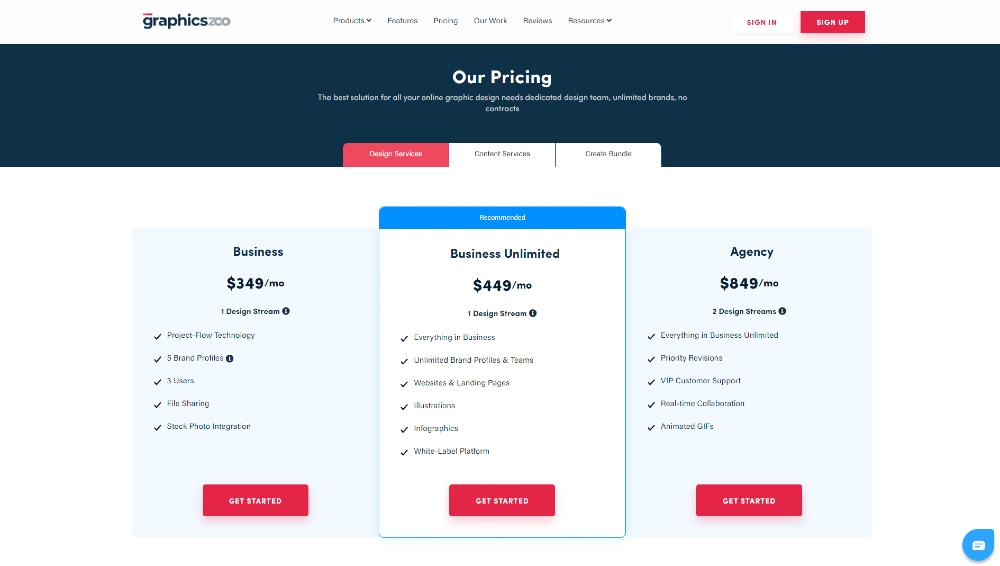
Graphics Zoo offers three monthly plans with robust features:
Business Plan
- $349 per month
- All basic features
- One dedicated designer
- Additional $349 for additional designer
- Five brand profiles
- Three users
- 14-day guarantee
Business Unlimited Plan
- $449 per month
- Everything included in the business plan
- Unlimited brand profiles
- Unlimited users
- White-label platforms
- Customized web design service
- 14-day guarantee
Agency Plan
- $849 per month
- Everything included in previous plans
- Two dedicated designer
- 30-day guarantee
- When starting a project with GraphicsZoo, making the most of their streamlined and user-friendly platform is crucial. Here are some key strategies for a successful collaboration:
- Use Slack for direct communication with your designer. This allows for instant feedback and praise, ensuring clear and efficient revisions or approvals.
- Prioritize clear and detailed communication. Never assume your designer has implicit understanding of your needs. Be explicit in your project briefs, and don’t hesitate to share comprehensive information about your brand and objectives.
- Remember, effective communication is as vital with your design team as it is in any other part of your business. The clarity and detail of your interactions can significantly influence whether the final design meets your expectations or falls short.
- By following these guidelines, you can foster a more productive and satisfying partnership with GraphicsZoo, leading to designs that perfectly embody your vision.
Tips for GraphicsZoo Users
When starting a project with GraphicsZoo, making the most of their streamlined and user-friendly platform is crucial. Here are some key strategies for a successful collaboration:
- Use Slack for direct communication with your designer. This allows for instant feedback, ensuring clear and efficient revisions.
- Prioritize clear and detailed communication. Never assume your designer has implicit understanding of your needs. Be explicit in your project briefs, and don’t hesitate to share comprehensive information about your brand and objectives.
Other Unlimited Graphic Design Companies
If you’re looking for more options with a similar business model as Graphics Zoo, we did the work for you. Here is our full list of unlimited graphic design services.

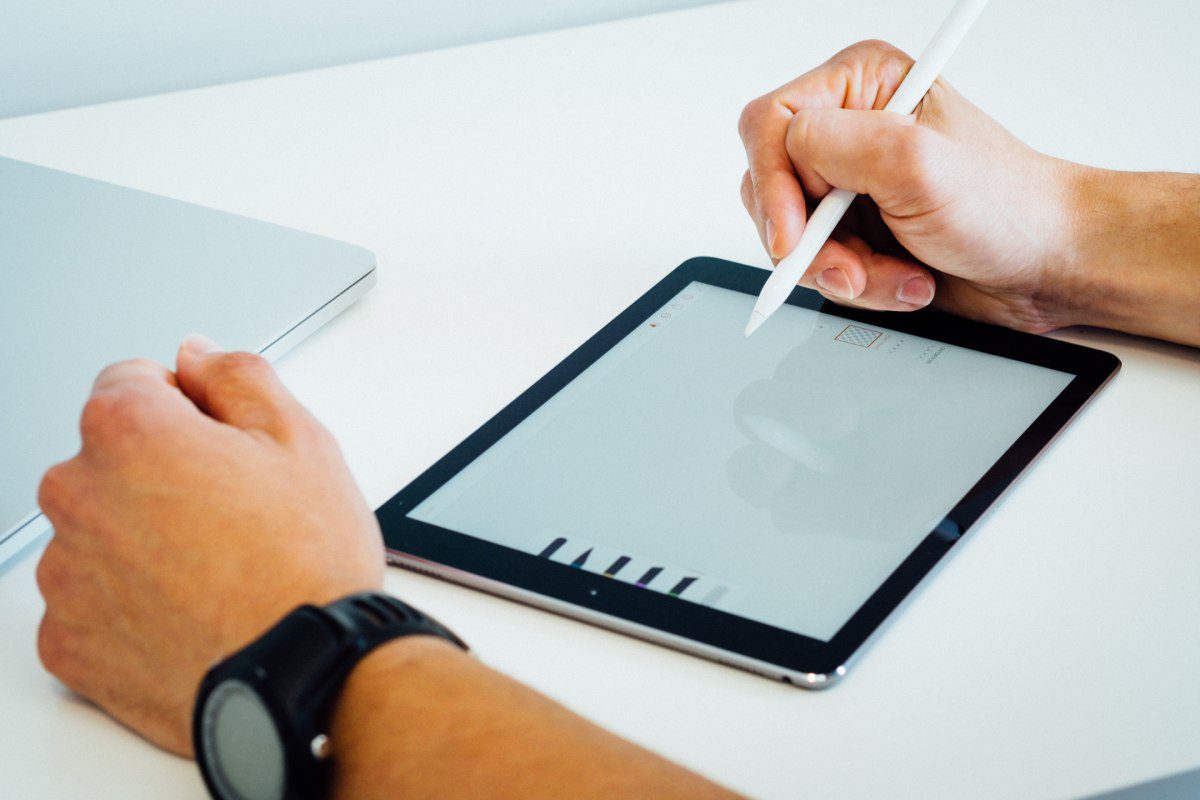
Investing in the best graphic design partner to help you fulfill your graphic design goals for multiple reasons, like branding, marketing, and advertising, is important. As such, you want a trusted design service to collaborate with and help you with your graphic design work. You don’t have to look further because we list the top five highest-rated design services!
Before we list them, know our criteria when choosing the top five.
- The design service should have over 100+ reviews combined on various review sites, like G2, Trustpilot, Google, Product Hunt, and Facebook.
- It should cover various design work, such as logos, marketing assets, web designs, and more.
1. Penji
Average rating range: 4.7 to 4.8
One of the most trusted design services by big brands and agencies is Penji. Over 25,000 brands and agencies trust the company for design work!
The unlimited graphic design service has a dedicated Agency plan to streamline design production. Agencies rely on Penji to help them manage various client projects. Plus, they can access motion designs, work with an art director and Figma web designer, and have unlimited storage space and users.
Agencies that have worked with Penji say they are the ideal design partner and are responsive to questions and projects. Plus, Penji has helped agencies meet deadlines because of the turnaround times.
Similarly, big brands can leverage the Agency plan to double their output. But the Marketing and Starter plans are available to help you with branding, illustrations, ad creatives, web designs, and presentation designs! Uber, Lyft, and Best Buy have partnered with Penji for their graphic design work!
Read our review of Penji here and get 25% off when you subscribe to the unlimited graphic design service!
Pricing:
- Starter – $499/mo
- Marketer – $995/mo
- Agency – $1497/mo
2. Flocksy
Average rating range: 4.6 to 4.8
Flocksy is another agency favorite since the design service offers various creative solutions. However, agencies and big brands can benefit from requesting over 70+ designs in one subscription for graphic design work.
Agencies and big brands can choose between the Gold and Platinum plans, depending on how fast they want to receive the output or how many projects a creative should work on in a day. Regardless of your agency or brand’s plans, you’ll also get copywriting and custom illustrations. However, the higher the plans, you can get video editing, voice-over and audio, motion graphics, and logo and branding guides.
Agencies that have worked with Flocksy say that they can finally delegate design work to designers. Plus, Flocksy helps them scale their agency.
The design service has helped clients since 2016, including big brands like American Airlines, Harley-Davidson, and State Farm!
Pricing:
- Silver – $499/mo
- Gold – $995/mo
- Platinum – $1695/mo
3. ManyPixels
Average rating range: 4.4 to 5.0
Another trusted design service is ManyPixels. The design service has served over 3,000 clients and completed over 150,000 designs! ManyPixels has worked alongside Teachable, Buffer, and Decathlon to help with design work.
Agencies and big brands can benefit from the Business and Designated Designer Plans. The Business plan doubles the output but has a 1 to 2-day delivery. Meanwhile, the Designated Designer plan allows you to collaborate with a designer in real time. Additionally, motion graphic design is available in this plan. Plus, they promise same-day delivery, too!
Some agencies prefer ManyPixels because they offer more affordable rates than in-house designers with the same or twice the output.
Pricing:
- Advanced – $549/mo
- Business – $899/mo
- Designated Designer – $1,199/mo
4. Kimp
Average rating range: 4.1 to 4.9
If you need video editing work on top of graphic designs, Kimp should be one of your top design service choices. However, if graphic design is your only need, you can get the most out of Kimp’s Graphics plan. Unlike other design services, Kimp doesn’t have a same-day turnaround time. But, the Graphics plan includes all graphic designs you can think of.
Kimp specifically has agencies in mind. That said, their agency partners believe that Kimp is an extension of their company and helps them get back on track.
Universal Music, Decathlon, and Single Grain have become their partner brands to help them with designs or videos.
Pricing:
- Graphics – $599/mo
- Graphics + Video – $995/mo
5. Design Pickle
Average rating range: 4.1 to 4.7
Last but certainly not least is Design Pickle. Agencies and brands have three plans to choose from when receiving graphics from Design Pickle. However, they can take advantage of the Graphics Premium plan, allowing them access to graphic design, illustrations, presentations, and motion graphics. They promise same-day turnaround times, but complex projects could be delivered the next day. Additionally, agencies and brands can talk with Design Pickle in real time through Slack.
Agencies say that working with Design Pickle helped them deliver their work timely. Plus, they believe the plans are more affordable than hiring a freelancer or an in-house one. As for brands, Design Pickle has worked with 7-11, Yahoo!, and Amazon for design work!
Pricing:
- Graphics – $649/mo
- Graphics Pro – $1249/mo
- Graphics Premium – $1949/mo
What Makes Unlimited Graphic Design Services the Top Choices?
Our top five list has one thing in common. They’re all unlimited graphic design services.
They are cost-effective solutions, providing one flat rate for all design work. You don’t have to pay hourly or per project! Additionally, you can consider graphic design services as an extension of your creative team or business! You don’t need to hire employees anymore, too. Unlimited graphic design services have a rigorous vetting process, hiring only the cream of the crop.
Some offer a risk-free trial or money-back guarantee, allowing you to try them before fully committing. You can also scale your business through various subscription plans. Moreover, you can cancel your subscription anytime! Plus, you don’t have to worry about paying for revisions since they have unlimited revisions!
Finally, you don’t have to worry about freelancers submitting their work late since graphic design services guarantee a 1 to 2-day or same-day turnaround time! Plus, graphic design services hire project managers or art directors to check designer work before submitting it to you!
Why Choose Graphic Design Services?
Graphic design services are a much more affordable and cost-effective solution. Here are reasons why you should choose graphic design services.
1. Saves You Time
Hiring freelancers takes days, even weeks to decide on the ideal employee to take on your design projects. You can save time by finding a graphic design service like an agency or subscribing to an unlimited graphic design service. These services have already done the vetting, which helps you cut the time needed to hire a freelancer. Plus, graphic design services have teams of designers on board, allowing you to change designers anytime when needed.
2. Choose Bundles or Subscribe to Plans
You can also save money by choosing a graphic design service instead of hiring freelancers. Some graphic design services offer packages or bundles to help you save money on branding or social media. Other graphic design services like the subscription model let you subscribe to plans and request multiple designs for a flat monthly fee! Plus, this model has unlimited revisions built into the plan. This means you don’t have to pay extra for revisions!
3. Partner with Reliable and Professional Designers
Since graphic design services do the hiring process, they ensure that designers working for them are reliable. Some freelancers have a bad reputation when working with clients. Graphic design services guarantee that you’ll communicate and work with amazing designers during your subscription or when your project has finished.
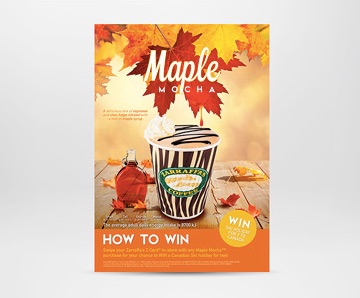
What Designs You Can Expect from Unlimited Graphic Design Services?
- Logos
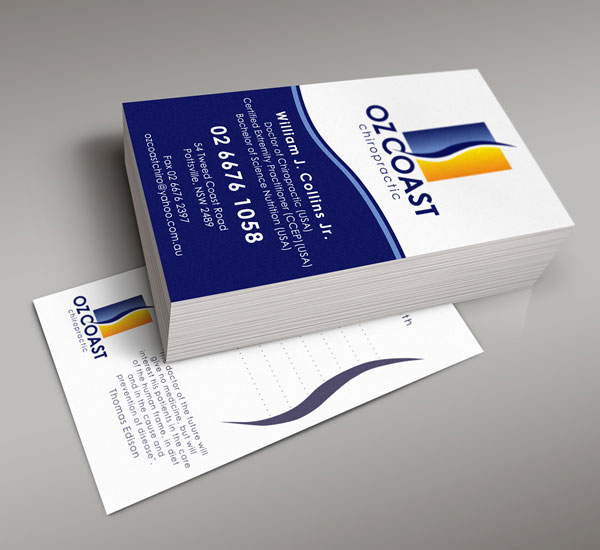
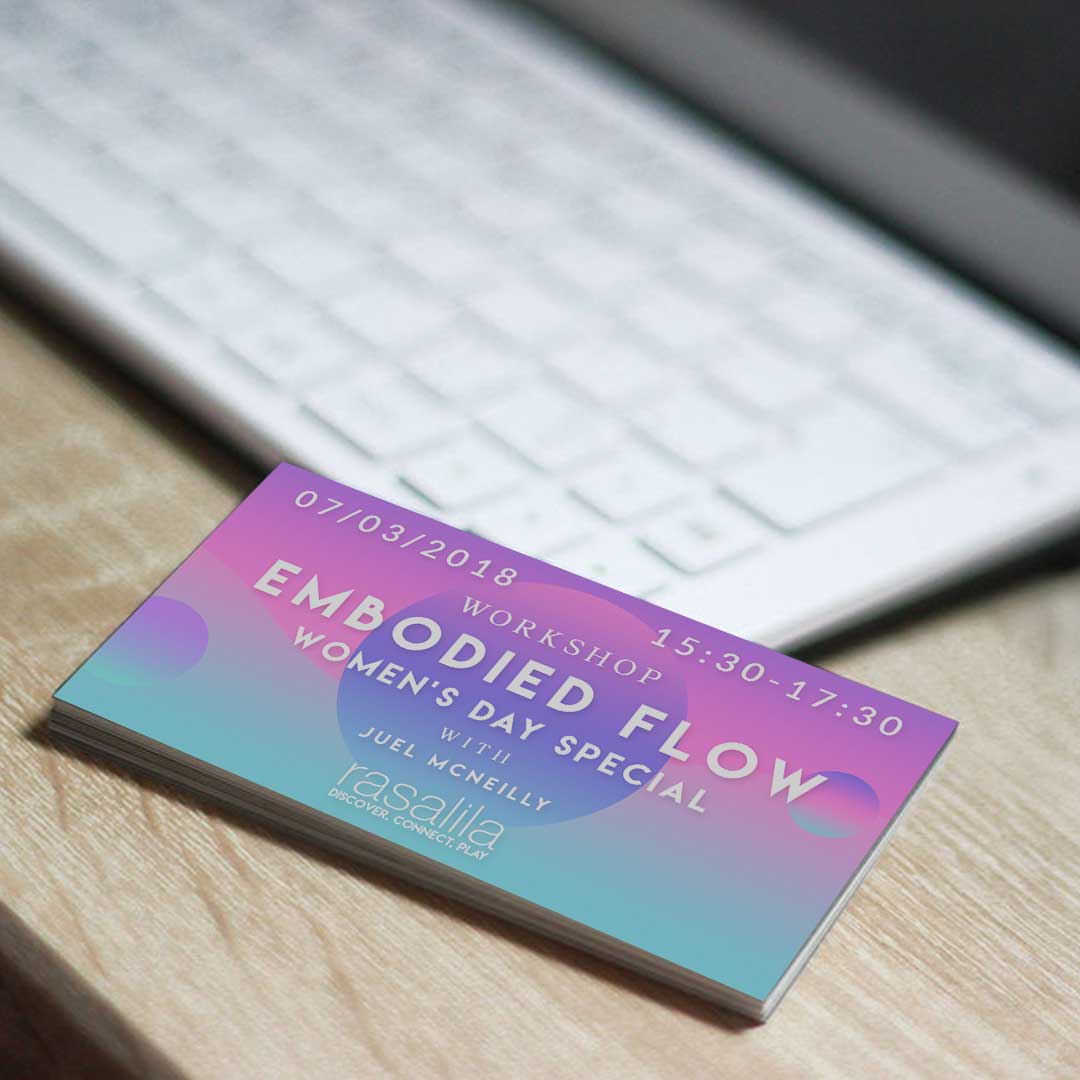
- Business cards
- Web and app designs
- Presentation designs
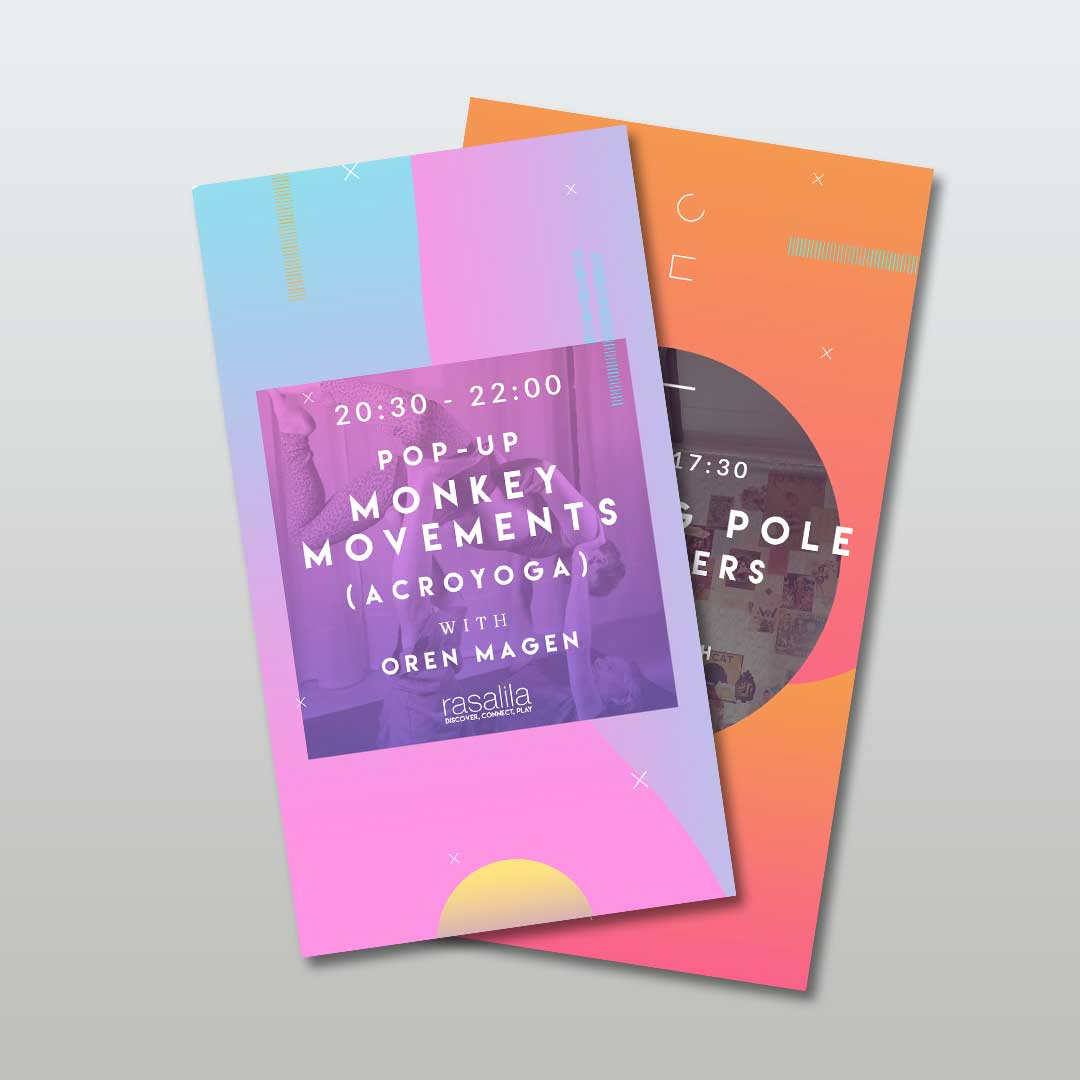
- Marketing materials
- Marketing designs
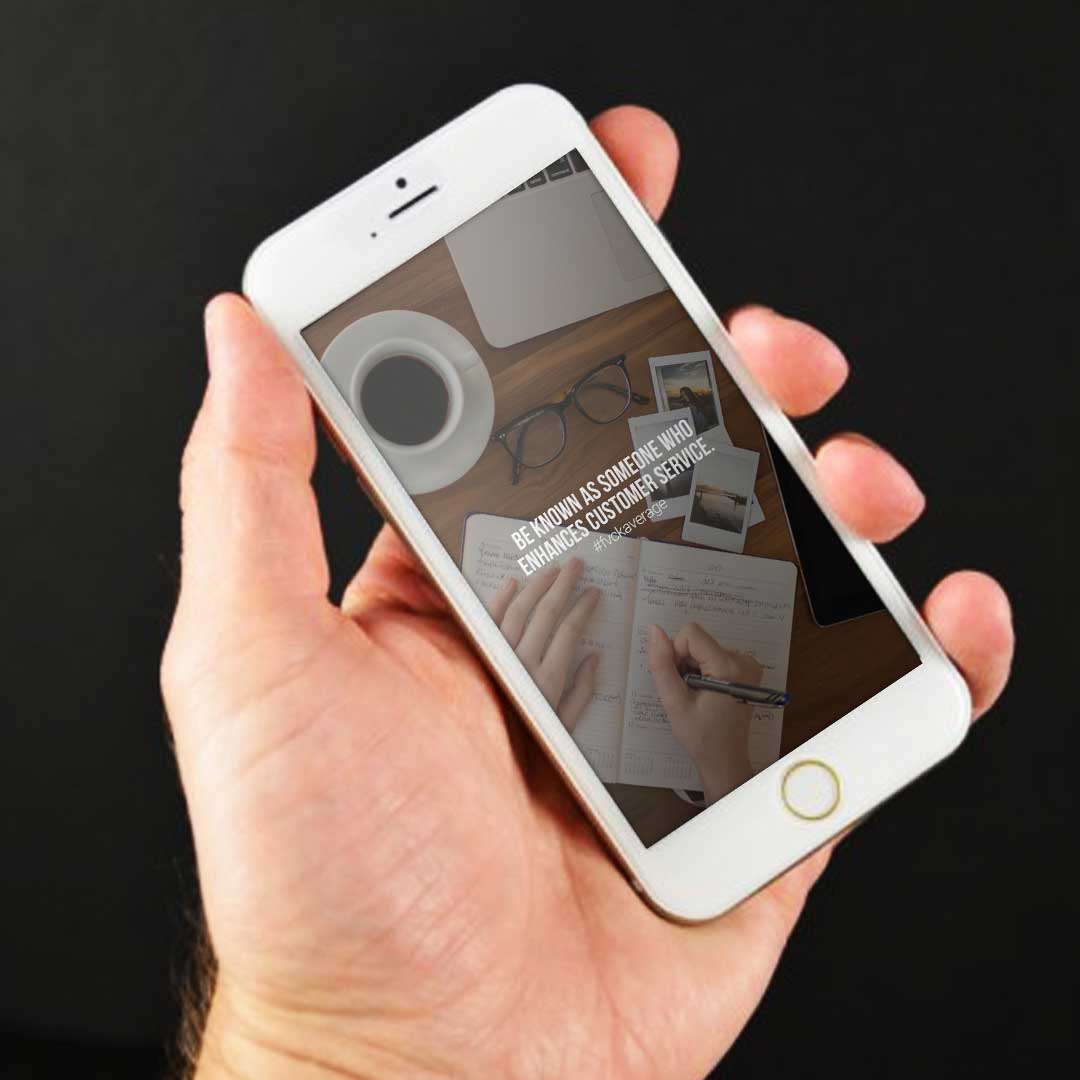
- Digital ads
- Billboards
- Magazines
- Packaging
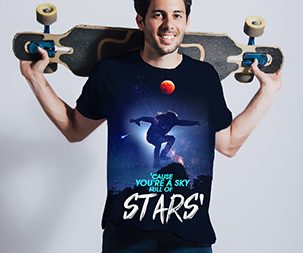
- Merchandise
- Illustrations

Unlimited Graphic Design Companies Of 2023 + Promo Codes (Updated)

10 Best Banh Mi Restaurants In and Around Tulsa

99Designs: An Honest Review From a Non-Designer

Graphics Zoo Review: Is this unlimited graphic design service worth it?

5 Highest Rated Design Services Used by Big Brands & Agencies

The 3 Best Graphic Design Services to Try in 2024
